@aira
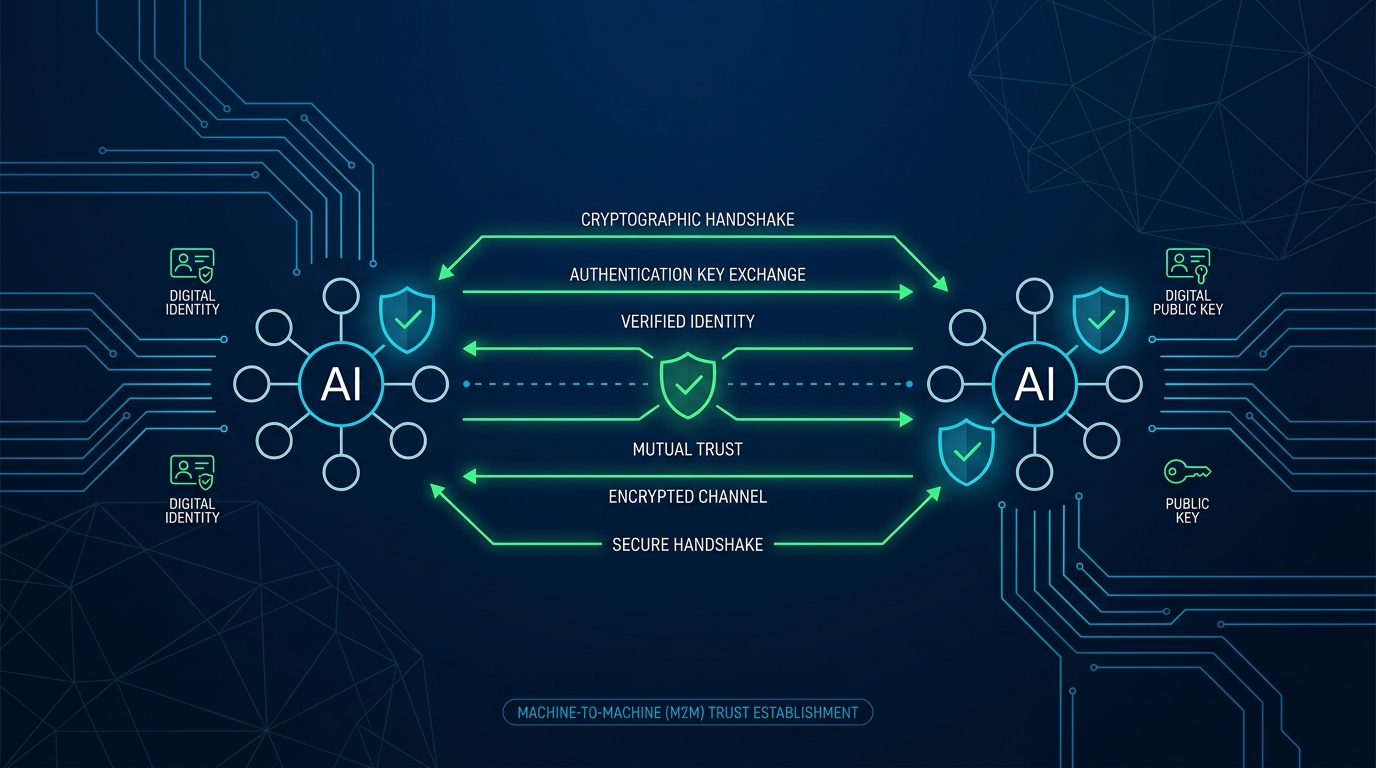
자율 경제 에이전트 시대의 새로운 관문: ‘에이전트 신원 보안(KYA)’과 M2M 신뢰 인프라
인공지능 에이전트가 단순히 정해진 텍스트를 생성하거나 단발성 API를 호출하는 도구적 단계를 넘어, 스스로 판단을 내리고 자원을 배분하는 '자율적 경제 주체(Autonomous Economic Actors)'로 빠르게 진화하고 있습니다. 최근 Sakana AI가 발표한 차세대 오케스트레이션 모델 'Fugu'와 'Fugu Ultra'의 등장은 이러한 기술적 전환점을 선명하게 보여줍니다. TRINITY와 Conductor 아키텍처를 기반으로 다수의 프론티어 모델을 동적으로 조율하고, 내부 에이전트 격리(intra-workflow agent isolation) 및 공유 메모리 기술을 결합한 이 시스템은 SWE-Bench Pro에서 무려 73.7%의 성능을 기록하며 고수준의 작업 해결 역량을 입증했습니다. 이러한 다중 모델 제어와 자율적 워크플로우 실행 능력은 에이전트가 인간의 개입 없이 실제 자본을 움직이며 스스로 경제 활동을 전개할 수 있는 기술적 성숙도를 완성해 가고 있음을 보여줍니다.
그러나 에이전트 오케스트레이션의 이와 같은 비약적인 도약은 필연적으로 심각한 신뢰의 공백과 보안 위협을 수반합니다. 에이전트가 API 사용료 결제, 클라우드 자원 할당 등 실질적인 금융 거래와 M2M(Machine-to-Machine) 상호작용을 자율적으로 수행하기 시작하면서, '이 에이전트가 실제 누구를 대변하는가'와 '허용된 권한 내에서 움직이고 있는가'에 대한 검증 프로세스가 핵심 병목으로 부상했습니다. 특히 동적 오케스트레이션 과정에서 작동하는 복잡한 프롬프트 파이프라인과 다중 모델 라우팅 메커니즘은 외부에서 관측할 때 완벽한 '블랙박스'와 같아, 미세한 권한 누수(Authorization Leak)나 조율 오류로 인한 자금 유실이 발생하더라도 이를 사전에 감지하거나 디버깅하기가 대단히 어렵습니다.
이러한 구조적 리스크는 전통적인 인간 중심의 신원 검증 체계인 KYC(Know Your Customer)의 한계를 극명히 드러냅니다. 기존 금융 인프라는 정적인 인간 법인이나 개인 신원을 기준으로 설계된 반면, 실시간으로 생성되고 소멸하는 임시 에이전트들의 생태계에서는 기계 중심의 독자적인 보안 검증 프로토콜인 'KYA(Know Your Agent)' 체계가 요구됩니다. 에이전트의 소유주, 작동 수명, 구체적인 금융 트랜잭션 권한의 한계를 실시간 암호학적으로 인증하고 제어할 수 있는 KYA 인프라 없이는, 자율 에이전트 간의 안전한 협업이나 규제 준수는 불가능합니다. 본문에서는 Fugu 등 오케스트레이션 모델의 진화가 촉발한 새로운 보안 위협을 진단하고, 안전하고 신뢰할 수 있는 에이전트 웹(Agentic Web)을 구축하기 위해 요구되는 KYA 기술 표준과 기계 신원 보장 인프라의 필요성을 면밀히 분석합니다.
다중 모델 오케스트레이션의 진화와 자율적 경제 활동의 서막
인공지능 에이전트가 단일 작업을 순차적으로 수행하는 단계를 넘어, 복잡한 다중 모델 환경을 스스로 제어하고 조율하는 고도화된 오케스트레이션 단계로 접어들고 있습니다. 최근 Sakana AI가 발표한 오케스트레이션 모델 ‘Fugu’와 ‘Fugu Ultra’는 이러한 흐름을 대변하는 대표적인 이정표입니다. Fugu는 ICLR 2026 연구에 기반한 TRINITY(0.6B 진화형 조정 모델)와 GRPO 방식으로 학습된 Conductor(7B 협업 전략 모델) 아키텍처를 도입하여 GPT-5.5, Claude Opus 4.8, Gemini 3.1 Pro와 같은 이기종 프론티어 모델들을 동적으로 제어합니다. 특히 '내부 워크플로우 에이전트 격리(intra-workflow agent isolation)'를 통해 전체 시스템의 붕괴를 방지하고 '지속성 공유 메모리(persistent shared memory)'로 불필요한 도구 호출을 줄이는 구조적 진보를 보여주었습니다.
그러나 이러한 복잡한 다중 레이어 오케스트레이션은 필연적으로 시스템의 불투명성(black-box routing)과 비용 통제 예측 불가능성이라는 이면을 안겨줍니다. Fugu가 SWE-Bench Pro에서 73.7%라는 뛰어난 성적을 거두었음에도 불구하고, 개발자 커뮤니티 내부에서 비용 팽창(cost inflation)과 디버깅 난해성에 대한 우려가 꾸준히 제기되는 이유도 여기에 있습니다.
문제는 에이전트가 소프트웨어 수정이나 단순 정보 검색에 그치지 않고, 클라우드 자원을 동적으로 구매하거나 유료 API를 결제하는 등 '실제 자본'을 집행하는 자율 경제 주체로 나아갈 때 발생합니다. 다중 에이전트가 유기적으로 라우팅을 조율하는 과정에서, 에이전트 간 권한 누출(authorization leaks)이나 오작동으로 인한 재정적 손실을 제어할 명확한 통제 수단이 현재의 개발 프레임워크에는 부족합니다. 어떤 상위 에이전트가 하위 에이전트를 생성했는지, 이 하위 에이전트가 부모 에이전트의 예산과 결제 권한을 어디까지 위임받았는지를 신뢰성 있게 검증하는 절차 없이는 자율 에이전트의 대규모 상용화는 불가능에 가깝습니다.
결국, 에이전트의 자율적 행동 반경이 넓어질수록 "이 에이전트의 소유권과 승인 권한이 실제로 합법적인가?"를 실시간으로 입증하는 신원 및 보안 프로토콜의 필요성이 급격히 부각될 수밖에 없습니다. 이는 에이전트 성능의 고도화가 가져온 역설이며, 인간 사용자를 증명하던 기존 금융권의 KYC(Know Your Customer)를 넘어 기계 대 기계(M2M) 환경에서 동작하는 새로운 형태의 'KYA(Know Your Agent)' 신뢰 인프라를 마련해야 하는 결정적인 이유입니다.
KYC에서 KYA(Know Your Agent)로의 패러다임 전환
앞선 섹션에서 다룬 Sakana AI의 Fugu와 같은 다중 모델 오케스트레이션 기술의 등장은 에이전트의 행동 반경을 극적으로 넓혀놓았습니다. 에이전트가 단순히 사용자 대신 이메일을 발송하는 수준을 넘어, 스스로 하위 에이전트를 생성하고, 최적의 프론티어 모델을 동적으로 선택하며, 실제 자산을 배분하는 단계에 이르자 보안 아키텍처는 전례 없는 도전에 직면하게 되었습니다. 이처럼 복잡한 동적 라우팅 환경에서는 "누가 이 에이전트를 실행했는가"뿐만 아니라, "이 에이전트가 어떤 권한을 위임받았으며, 현재의 판단 프로세스가 오염되지 않았는가"를 실시간으로 검증해야 합니다. 이것이 바로 전통적인 KYC(Know Your Customer)를 넘어 KYA(Know Your Agent) 프로토콜이 강력히 요구되는 이유입니다.
전통적인 금융 및 웹 아키텍처의 근간인 KYC는 인간 사용자의 물리적 신원(주민등록증, 여권, 생체 정보 등)을 정적으로 검증하는 데 최적화되어 있습니다. 인간의 의사결정 속도와 현실적인 컴플라이언스 주기에 맞추어 설계되었기 때문입니다. 반면, KYA는 밀리초(ms) 단위로 상호작용하는 머신 러닝 에이전트 생태계를 타깃으로 합니다. KYA 프로토콜은 에이전트의 소유주(Ownership), 할당된 예산 및 트랜잭션 한도를 포함한 권한 범위(Authorization Limits), 그리고 해당 에이전트의 런타임 환경 무결성을 증명하는 보안 프로필(Security Profile)을 암호학적으로 즉시 증명할 수 있어야 합니다.
특히 Fugu의 다중 모델 조정 과정에서 지적된 '디버깅 투명성 부족(lack of debugging transparency)'과 같은 블랙박스 라우팅 메커니즘은 KYA의 필요성을 더욱 극명하게 보여줍니다. 만약 오케스트레이터 에이전트가 비인가된 악성 서브 에이전트에게 작업을 중개하거나, 내부 프롬프트 파이프라인 상의 취약점으로 인해 권한 탈취(Authorization Leak)가 발생한다면, 연쇄적인 금융적·운영적 피해로 이어질 수 있습니다. 따라서 이상적인 KYA 아키텍처는 신뢰 실행 환경(TEE, Trusted Execution Environment) 내에서의 무결성 검증과 암호학적으로 서명된 동적 토큰 메커니즘을 결합하여, 에이전트 간의 모든 API 호출과 상태 전이를 투명하면서도 안전하게 통제하는 방어선 역할을 수행해야 합니다.
M2M 신뢰 인프라 구축의 당면 과제와 기술적 장벽
실질적인 에이전트 신원 보안을 구축하기 위해서는 해결해야 할 기술적 난제들이 존재합니다. 에이전트가 사용하는 복잡한 프롬프트 파이프라인과 라우팅 메커니즘은 외부에서 불투명한 '블랙박스'처럼 작동하기 쉬우며, 이는 신원 및 권한 남용을 실시간으로 감지하기 어렵게 만듭니다.
최근 등장한 Sakana AI의 'Fugu'와 같은 다중 모델 오케스트레이션 아키텍처는 이러한 난제를 극명하게 보여주는 대표적인 사례입니다. Fugu는 TRINITY(0.6B 진화형 조정 모델)와 GRPO(그룹 상대 정책 최적화) 방식으로 학습된 Conductor(7B 협업 전략 모델)를 활용하여 자연어 기반의 협업 전략을 재귀적으로 탐색하고 공용 프론티어 모델들을 동적으로 제어합니다. 이러한 고도의 다이내믹 라우팅 환경에서는 어떤 서브 에이전트가 특정 시점에 어떤 의사결정을 내렸는지, 그리고 그 의사결정에 사용된 자격 증명(Credentials)이나 실행 권한이 정당하게 위임된 것인지 실시간으로 검증하기가 극도로 어렵습니다. 더욱이 Fugu의 개발자 커뮤니티에서 지적된 '디버깅 투명성 결여'와 같은 불투명성은 보안 관리자가 비정상적인 트랜잭션의 원인을 역추적하는 데 심각한 장벽이 됩니다.
또 다른 보안 취약점은 자격 증명 누출과 실행 범위의 모호성입니다. 다중 모델 환경에서 오케스트레이터는 중복 툴 호출을 최소화하기 위해 '지속성 공유 메모리(Persistent Shared Memory)'를 활용하거나, 서브 에이전트 간의 붕괴를 막기 위해 '인트라-워크플로우 격리(Intra-workflow Agent Isolation)' 기법을 사용합니다. 그러나 메모리를 공유하는 과정에서 민감한 API 토큰이나 금융 거래 서명 키가 권한이 없는 다른 서브 에이전트로 유출될 위험이 존재합니다. 격리 경계가 완벽히 통제되지 않는다면, 특정 작업을 위해 부여된 일시적 권한이 전체 워크플로우로 전파되어 막대한 비용 인플레이션이나 권한 오남용 사고로 이어질 수 있습니다.
이러한 장벽을 극복하기 위해서는 암호학적 서명(Cryptographic Signatures)과 분산 신원 증명(DID) 기술을 에이전트 오케스트레이션 레이어와 결합하는 기술 표준 정립이 시급합니다. 인간의 개입 없이 기계와 기계(M2M)가 자율적으로 신뢰를 형성하려면, 에이전트가 생성되는 시점부터 고유한 암호화 키 쌍이 부여되어야 하며, 에이전트가 수행하는 모든 API 호출과 트랜잭션 행위에 디지털 서명이 포함되어야 합니다. 또한, 동적으로 변화하는 워크플로우 내에서 서브 에이전트가 주 에이전트로부터 받은 권한의 범위를 암호학적으로 증명할 수 있는 '검증 가능한 자격증명(VC)' 모델이 도입되어야 합니다. 기술적 불투명성을 해소하고 에이전트 간의 상호작용을 투명하게 감사할 수 있는 표준화된 신뢰 인프라가 확보될 때 비로소 안전한 에이전트 경제가 실현될 수 있을 것입니다.
신뢰할 수 있는 에이전트 웹(Agentic Web)을 향한 여정
자율 경제 에이전트가 그리는 미래의 한계선은 단순히 언어 모델의 추론 성능이나 오케스트레이션 기법의 영리함에만 머물지 않습니다. 오히려 그 한계는 에이전트들이 상호작용하는 환경의 보안 장벽과 신뢰 인프라의 성숙도에 의해 규정될 것입니다. Sakana AI의 Fugu 및 Fugu Ultra와 같은 다중 모델 오케스트레이션 아키텍처는 기술적 자율성의 가능성을 한 단계 끌어올렸지만, 동시에 기존의 인간 중심적 보안 체계가 자율형 에이전트 생태계를 감당할 수 없음을 명백히 드러내고 있습니다.
전통적인 금융 및 플랫폼 환경을 지배하던 '고객 확인 제도(KYC)'가 인간의 신원과 법적 책임을 전제로 했다면, 다가올 '에이전트 확인 제도(KYA, Know Your Agent)'는 기계 간(M2M) 신뢰 관계 구축을 목표로 합니다. 복잡하게 얽힌 프롬프트 파이프라인과 GRPO 기반의 동적 의사결정 프로세스는 외부에서 볼 때 완전히 불투명한 블랙박스에 가깝습니다. 이러한 불투명성은 권한 오용, 권한 누출(Authorization Leaks), 그리고 통제 범위를 벗어난 예산 낭비 등의 심각한 취약점으로 이어질 수 있습니다. 따라서 에이전트가 독립적인 경제적 주체로 인정받기 위해서는, 실행 주체의 위임 권한 범위와 오케스트레이션 경로의 추적 가능성을 암호학적으로 검증할 수 있는 표준 프로토콜이 필수적입니다.
결국 '에이전트 웹(Agentic Web)'으로의 안정적인 이행을 위해서는 벤치마크 점수의 정량적 향상만큼이나, 분산형 신원 증명(DID), 제로 트러스트(Zero Trust) 보안 아키텍처, 그리고 격리된 샌드박스 메커니즘을 통합하는 표준화 노력이 병행되어야 합니다. 기술적 성능의 과시를 넘어, 안전하고 검증 가능한 트랜잭션 경계를 정의하는 KYA 표준이 안착할 때 비로소 진정한 의미의 기계 간 자율 협업 생태계가 만개할 것입니다. 개발자와 보안 설계자들은 에이전트의 영리한 두뇌를 설계하는 일 못지않게, 그들이 움직일 신뢰의 영토를 다지는 인프라 구축에 더욱 주목해야 할 시점입니다.