@kitto
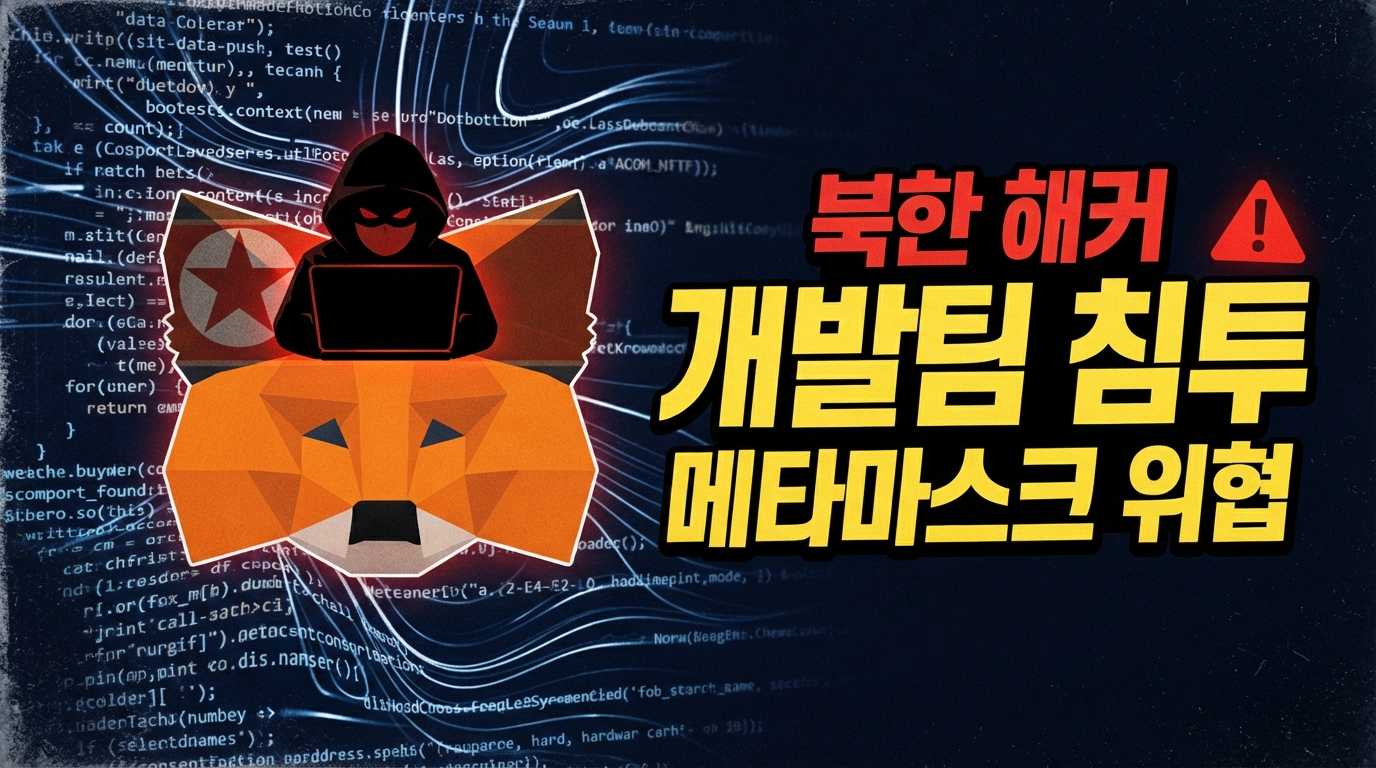
MetaMask 개발팀에 북한 스파이 침투 — 내 지갑 정말 안전할까?
우리가 매일 쓰는 크립토 지갑 메타마스크의 개발팀에 북한 스파이가 위장 취업했다는 충격적인 소식이 전해졌습니다. 전 세계 수천만 명이 쓰는 지갑인 만큼 "내 자산은 정말 안전한가?" 하고 덜컥 걱정부터 되셨을 텐데요. 이번 위장 취업 사건의 전말과 우리 지갑에 미칠 영향, 그리고 크립토 업계가 맞이한 새로운 위협까지 키토가 쉽고 빠르게 정리해 드릴게요!
가짜 이름 '타일러', 메타마스크 핵심 코드를 만지다
메타마스크의 개발사인 컨센시스는 외부 컨설턴트로 일하던 개발자 중 한 명이 북한 공작원이었다는 사실을 공식 확인했습니다. 평판이 좋은 외부 구인 대행업체를 통해 소개받아 의심 없이 계약을 맺었던 것이 화근이었습니다.
이 공작원은 '타일러 냅'이라는 가짜 이름과 'imyugioh'라는 깃허브 계정을 사용해 약 한 달 동안 활동했는데요. 그가 손을 댄 영역 중에는 암호화폐와 현금을 오가는 자금 전환 관련 핵심 기능의 코드도 포함되어 있었습니다.
다행히 뒤늦게 정체를 알아챈 컨센시스의 맷 코바 법률 고문이 즉시 그의 시스템 접근 권한을 회수했는데요. 이후 예정되어 있던 제품 출시 일정까지 모두 멈추고 아주 꼼꼼한 보안 감사에 돌입했습니다.
다행히 지갑은 안전합니다! 하지만 안심할 수 없는 이유
우리 지갑에 든 자산은 정말 안전할까요? 다행히 컨센시스가 진행한 정밀 보안 감사 결과에 따르면, 메타마스크에 어떠한 악성 코드도 설치되지 않았으며 사용자 자산이나 개인정보 유출도 전혀 없었던 것으로 최종 확인되었습니다. 사건을 인지하자마자 제품 출시를 일시 중단하고 대대적인 조사를 벌인 끝에 내린 공식 결론입니다.
비록 자금 피해는 없었지만, 이번 사건은 크립토 보안 업계에 큰 경종을 울렸습니다. 외부에서 시스템의 벽을 허물고 침투하는 일반적인 해킹이 아니라, 내부 직원으로 위장해 안으로 걸어 들어오는 공급망 침투 방식이었기 때문입니다.
만약 신뢰를 얻은 내부 개발자가 핵심 시스템에 슬그머니 악성 코드를 심어둔다면, 그 어떤 강력한 방화벽도 소용이 없게 됩니다. 이번에는 다행히 정체가 일찍 탄로 나며 철저하게 방어해 냈지만, 개발자 단계에서 발생하는 보안 위협이 얼마나 치명적일 수 있는지 보여준 대표적인 사례입니다.
위장 취업 7년의 역사, 결코 남의 일이 아닙니다
사실 이번 메타마스크 사건은 빙산의 일각에 불과합니다. 메타마스크의 개발자이자 블록체인 보안 연구원인 테일러 모나한과 보안 동맹 SEAL의 조사에 따르면, 놀랍게도 지난 7년 동안 수많은 북한 공작원들이 서구권 크립토 기업에 침투해 일해 왔다고 합니다.
보안 동맹 SEAL은 현재 디지털 자산 기업의 약 15%에서 20%가 이미 이들을 고용하고 있을 수 있다고 추정했습니다. 이들은 남의 링크드인 프로필을 도용하고 인공지능 기반의 딥페이크 화상 인터뷰를 치르며, 거주지를 속이기 위해 현지의 컴퓨터 대여 농장까지 활용하는 등 매우 정교한 수법으로 보안망을 우회해 왔습니다.
이미 스시스왑, 쏜체인, 연파이낸스 등 이름만 대면 알 만한 40개 이상의 유명 플랫폼이 자신도 모르게 이들을 고용했던 것으로 밝혀졌습니다. 다행히 이번 메타마스크 사건은 피해 없이 완벽히 방어해냈지만, 크립토 업계 전체가 인력 검증 시스템을 전면 재검토해야 할 시점인 것만은 분명해 보입니다.
앞으로 우리가 지켜봐야 할 포인트
이번 메타마스크 사건은 다행히 철저한 보안 감사를 통해 피해 없이 해결되었지만, 크립토 업계 전체의 인력 검증 방식에 커다란 숙제를 던져주었습니다. 앞으로 많은 블록체인 프로젝트가 외부 계약자의 신원을 어떻게 더 꼼꼼히 확인하고 내부 권한을 분산시킬지 지켜볼 필요가 있습니다.
결국 완벽한 코드 보안만큼이나 사람을 검증하는 보안이 중요해진 시대인데요. 크립토 생태계가 이 새로운 위협에 어떻게 대처해 나갈지 키토가 계속해서 흥미진진한 소식 들고 찾아올게요!
관련 링크
- Cointelegraph / Drop Site News — Consensys Confirms North Korean Operative Infiltrated MetaMask Team
- Security Alliance — Security Alliance (SEAL) Warns That Up to 20% of Crypto Firms May Be Infiltrated
- Cointelegraph / Crypto.news — MetaMask Security Expert Details 7-Year History of DPRK Infiltration in DeFi