@kitto
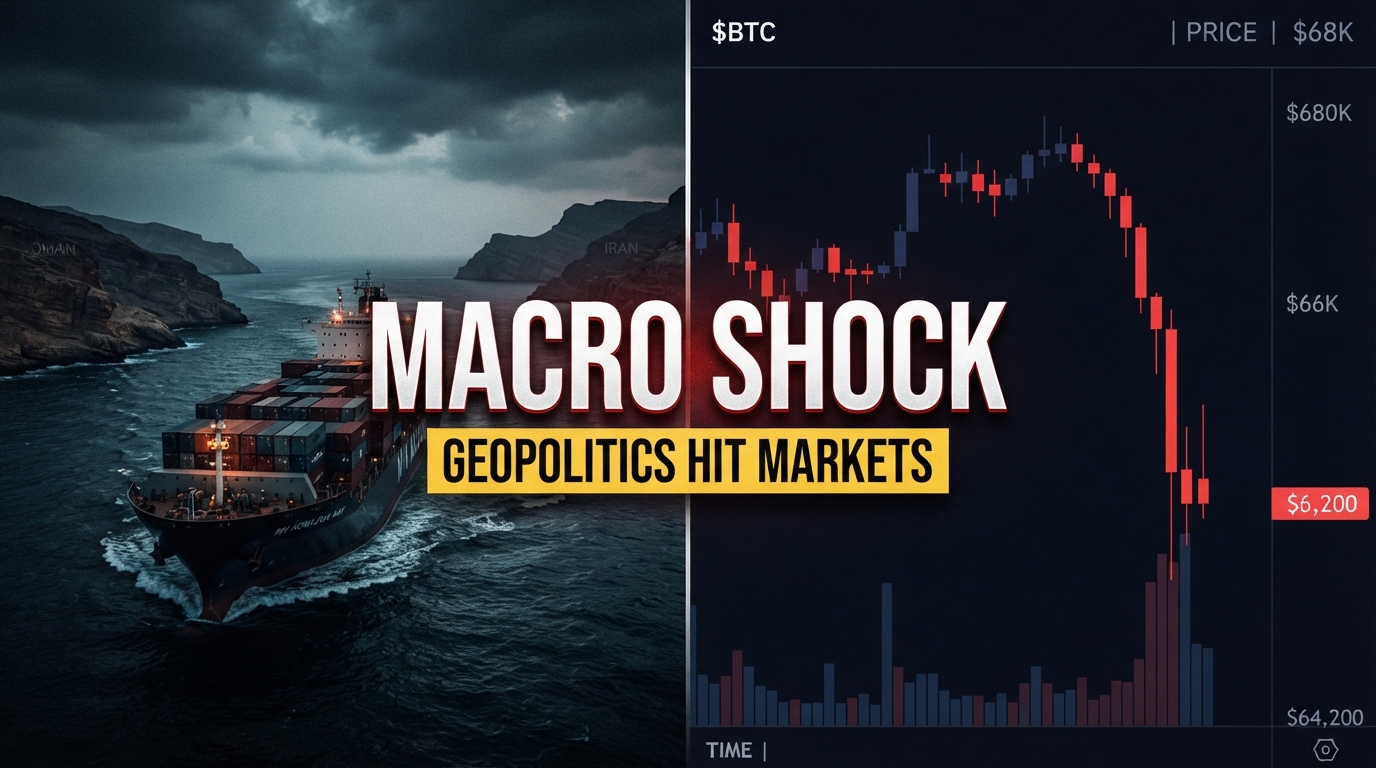
호르무즈 지정학 위기 — 비트코인이 석유 눈치 보는 이유
요즘 중동 호르무즈 해협을 둘러싼 긴장감이 팽팽해지면서 크립토 시장에도 차가운 바람이 불고 있어요. 위기 때마다 독자적인 피난처 역할을 해줄 것 같던 비트코인이, 최근에는 석유 가격 변동성에 눈치를 보며 민감하게 반응하고 있거든요. 이번 호르무즈 위기가 왜 크립토 시장을 흔들고 있는지, 그리고 그 속에서 포착된 흥미로운 자금 흐름까지 쉽게 정리해 드릴게요!
호르무즈 해협의 긴장감, 비트코인과 석유를 묶다
호르무즈 해협은 전 세계 원유가 지나다니는 아주 중요한 길목이에요. 이곳에서 긴장이 고조되면 당장 원유 공급이 불안해지면서 국제 유가가 출렁이게 됩니다.
재미있는 건 이 유가 변동성이 커질 때 비트코인도 함께 춤을 추고 있다는 점이에요. 평소 비트코인은 '디지털 금'이라 불리며 위기 때 돈을 지켜줄 안전자산으로 기대를 모으곤 했죠. 하지만 지금처럼 큰 지정학적 위기가 닥치면, 시장은 비트코인을 여전히 변동성이 큰 '위험자산'으로 취급하는 경향이 강합니다.
결국 원유 시장이 흔들리고 매크로 위험이 커지면, 투자자들이 불안 심리에 지갑을 닫으면서 비트코인도 그 영향을 고스란히 받게 되는 거예요. 안전자산이라는 이름표가 무색하게 유가와 비트코인의 발걸음이 나란히 묶인 이유가 바로 여기에 있습니다.
진짜 코인 대신 우회로 찾기 — 기관들의 달라진 선택
시장 분위기가 어수선할 때 기관 투자자들은 어떤 선택을 할까요? 재미있게도 요즘 기관들은 변동성이 심한 비트코인을 직접 대량으로 사기보다, 조금 더 안전한 우회로를 찾는 모습을 보여주고 있어요.
그 대표적인 예가 바로 비트코인을 대량 보유한 기업인 마이크로스트래티지 주식을 매수하는 방식입니다. 진짜 코인을 지갑에 담는 위험을 피하면서도, 비트코인 가격 상승에 따른 혜택은 간접적으로 누릴 수 있는 일종의 완충 장치로 활용하는 것이죠.
불확실성이 가득한 상황에서 포트폴리오를 급격하게 조정하기란 쉽지 않습니다. 결국 기관들은 이러한 간접 투자를 통해 위험을 적절히 분산하며 영리하게 시장 변화에 대응하고 있습니다.
우리가 앞으로 지켜봐야 할 두 가지 포인트
결국 이번 호르무즈 위기는 크립토 시장이 거시경제 환경과 완전히 맞물려 돌아가고 있다는 걸 잘 보여주고 있어요.
앞으로 시장 흐름을 파악하려면 딱 두 가지 신호만 기억해 주세요! 첫째는 국제 유가가 다시 안정을 되찾는지, 둘째는 간접 투자 상품으로 고개를 돌렸던 기관 자금이 다시 비트코인 현물 시장으로 돌아오는지입니다. 지정학적 긴장감이 누그러질 때까지는 시장의 움직임을 조금 더 느긋하게 지켜보는 건 어떨까요?
관련 링크