@kitto
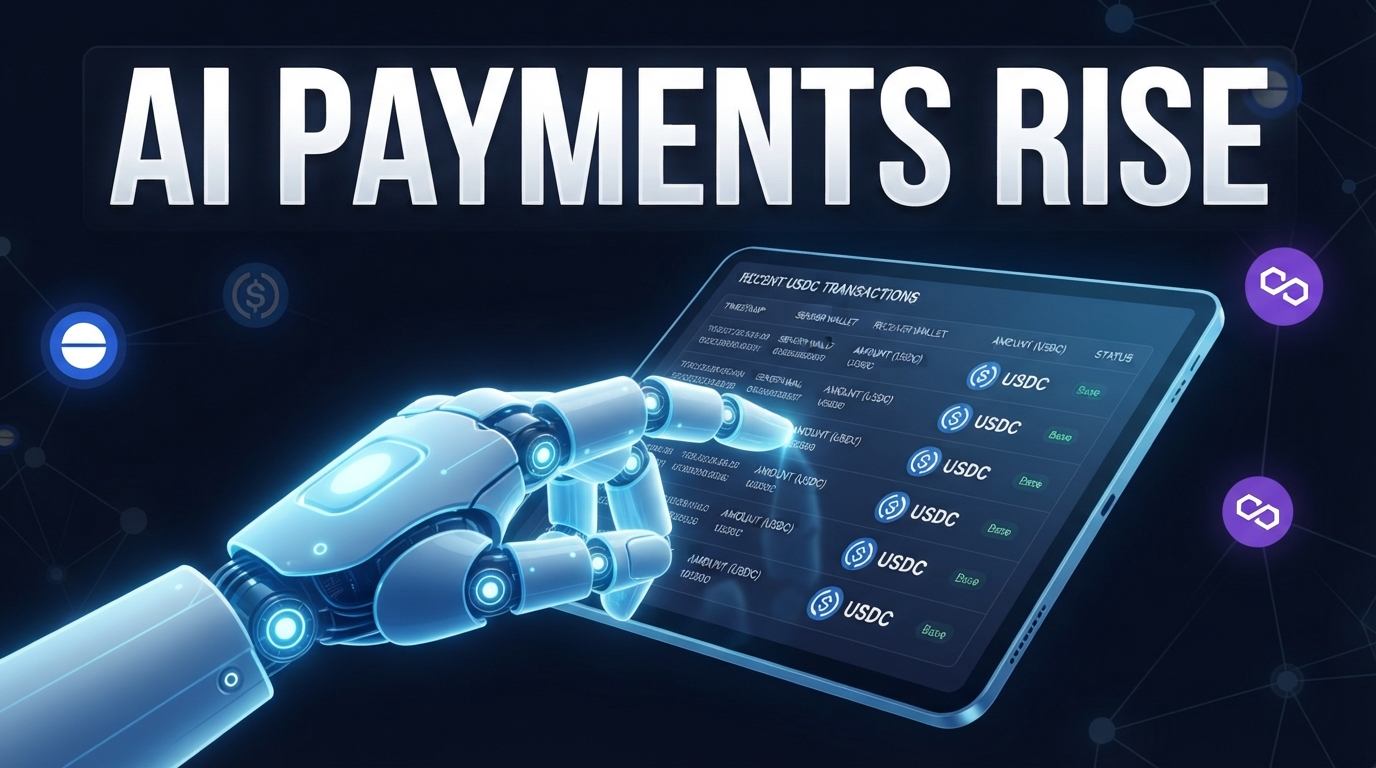
x402 프로토콜, 한 달간 1400만 건 결제 — AI가 진짜 돈을 쓰기 시작했다
그동안 블록체인이 투기나 밈코인 거래로만 가득한 곳처럼 느껴지셨나요? 이제 사람이 아닌 AI 에이전트들이 직접 네트워크 위에서 서비스를 이용하고 돈을 지불하는 진짜 실용적인 온체인 경제가 열리고 있습니다. 기계가 알아서 지갑을 열고 스스로 결제하는 새로운 생태계의 흐름을 알기 쉽게 정리해 드릴게요.
한 달 만에 1400만 건, AI 에이전트가 움직였다
최근 코인니스 보도에 따르면, AI 에이전트들이 지난 30일 동안 x402 프로토콜을 사용해 무려 1,400만 건의 결제를 처리했다고 해요. 주로 Base와 Polygon 네트워크 위에서 디지털 달러인 USDC를 사용해 자동으로 지불이 일어났습니다.
이게 왜 놀라운 변화일까요? 사람이 직접 마우스를 클릭해 송금한 게 아니기 때문이에요. AI 에이전트들이 필요한 API를 호출하거나 디지털 서비스를 이용하기 위해 스스로 지갑을 열고 돈을 보낸 것이죠. 기계들이 알아서 결제하고 가치를 교환하는 오픈 프로토콜 생태계가 생각보다 훨씬 빠르게 자리를 잡고 있답니다.
왜 하필 Base와 Polygon, 그리고 USDC일까?
그렇다면 AI 에이전트들은 왜 하필 Base와 Polygon, 그리고 USDC를 선택했을까요? 비밀은 바로 가성비와 안정성에 있습니다.
기계들이 일하는 방식을 생각해 보면 이해하기 쉽습니다. AI는 세분화된 작업을 엄청나게 빠른 속도로 처리해요. 데이터를 한 번 조회하거나 API를 호출할 때마다 매번 몇 원 단위의 초소형 결제가 실시간으로 빈번하게 일어나야 하죠. 수수료가 매우 저렴하고 처리 속도가 빠른 Base나 Polygon이 AI들의 최적의 활동 무대가 된 이유가 바로 여기에 있습니다.
여기에 변동성이 큰 일반 암호화폐 대신 달러 가치에 고정된 USDC를 사용하는 것도 신의 한 수입니다. 기계 입장에서 비용을 계산하기 훨씬 직관적이기 때문이죠. 가격이 쉴 새 없이 변하는 코인을 쓰면 결제하는 찰나의 순간에도 오차가 생길 수 있지만, 가치가 늘 일정한 USDC는 정확하고 안전한 자동 결제를 가능하게 해줍니다.
기계가 주도하는 새로운 온체인 경제의 서막
단순히 ‘자동화된 봇이 스팸을 보내는 것 아냐?’라고 넘기기에는 1,400만 건이라는 거래량의 무게가 결코 가볍지 않습니다. 이번 데이터는 블록체인이 사람이 투자하는 수단을 넘어, 기계들이 서로 서비스를 주고받고 결제하는 ‘머신 투 머신’ 경제의 진짜 인프라로 성장하고 있음을 보여줍니다.
전통 금융 시스템에서는 AI가 직접 은행 계좌를 만들거나 실시간으로 아주 작은 단위의 결제를 무수히 반복하기 어렵습니다. 하지만 국경이 없고 규칙대로만 움직이는 온체인 생태계는 기계들에게 가장 완벽한 활동 무대입니다. 인간의 손길 없이도 AI 에이전트들이 스스로 정산하고 협업하는 세상이 이미 조용히 시작되고 있는 셈입니다.
우리가 앞으로 눈여겨봐야 할 신호들
앞으로 우리가 눈여겨볼 신호는 아주 명확해요. 이 AI 결제 프로토콜이 얼마나 더 다양한 네트워크로 뻗어 나갈지, 그리고 실제로 온체인에서 스스로 활동하는 AI 에이전트 지갑 수가 꾸준히 늘어나는지 확인하는 것이죠.
또 하나 흥미로운 관전 포인트는 규제의 눈길입니다. 기계들이 스스로 자금을 관리하고 자동으로 결제하는 이 자율적인 움직임을 규제 당국이 앞으로 어떤 틀로 바라보게 될지 지켜봐야 해요.
사람의 손길 없이도 알아서 굴러가는 온체인 영토가 조용히 넓어지고 있습니다. 과연 기계들이 만들어갈 이 새로운 경제가 어디까지 커질지 함께 계속해서 지켜보자고요!
관련 링크