CoinNess
Binance has resumed withdrawals for multiple cryptocurrencies on the Ethereum and Solana networks. This is expected to restore user asset mobility and facilitate trading activities.
Use the arrow keys to inspect candles, and + or − to zoom.
Binance has resumed withdrawals for multiple cryptocurrencies on the Ethereum and Solana networks. This is expected to restore user asset mobility and facilitate trading activities.
Binance is gradually reopening withdrawals for a new batch of assets, starting Nov. 3, focusing on BSC, Ethereum, and Solana networks. Deposits remain unaffected, and Binance will cover losses from stolen funds.
Bitcoin has fallen below $77,000, with major altcoins like Ethereum and Solana also showing slight declines. Zcash, in particular, has dropped 6.3% in the last 24 hours, along with significant drops in Near Protocol, LSK, Ethena, and BEAM. Conversely, HOT, HAEDAL, Tron, and Monero have seen gains.
The Risk Chain will end on November 2nd, and LSK is planned to be utilized as a reward token for an Ethereum-based corporate finance platform. Starting in 2027, companies will be able to earn and use LSK on the platform, with Celo supporting the project's migration.
Lisk is shutting down its Ethereum Layer 2 network, Lisk Chain, including its portal and bridge services. Approximately 5.2 million LSK remaining from staking rewards will be burned. Future business will focus on an enterprise financial services platform, and LSK will continue to be used as an Ethereum royalty token.
The Rethink chain, which has been in operation for 10 years, has been terminated on the 2nd. Approximately 5.23 million LSK are scheduled to be burned, and LSK will be maintained as a royalty token on Ethereum. Rethink plans to focus on a financial operations platform for businesses in the future.
Risk will end the operation of its own chain, 'Risk Chain', and burn approximately 5.23 million LSK that have not been distributed. The tokens will continue to be used as royalty tokens on Ethereum.
Lisk has ceased operations of its Lisk Chain and shut down its portal and bridge. The LSK token will continue as a loyalty token on Ethereum. Lisk also plans to burn approximately 5.23 million unallocated LSK.
Risk (LSK) has officially announced the end of operations for its native blockchain, the Risk Chain. Approximately 5.23 million LSK remaining in the staking reward pool will be burned. The LSK token will continue to be used as a royalty token on the Ethereum network.
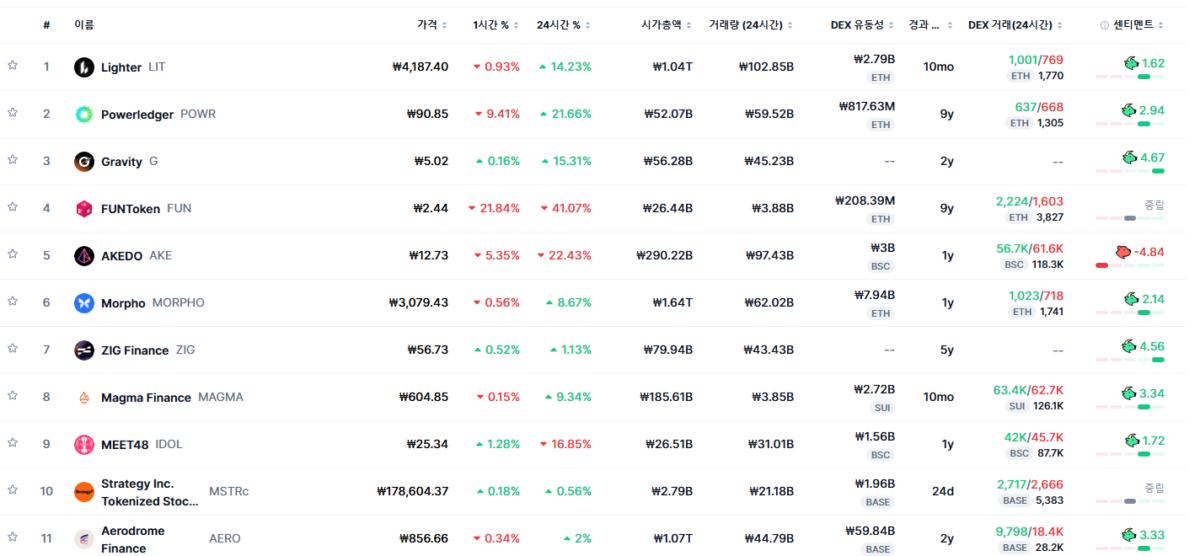
According to CoinMarketCap's page views, LIT ranked first globally, and NIL ranked first in Korea. Seven out of the top 10 global cryptocurrencies saw an increase, while the top 10 in Korea showed a different trend compared to the global market. LIT, POWR, and G garnered attention globally, while NIL, RLC, and ZAMA were frequently viewed in Korea.
The domestic cryptocurrency market showed weakness, with Bitcoin and Ethereum rising slightly. Risk surged 20.4%, recording the highest increase, while Quark.ai fell 33.5%. Investor sentiment remained in the 'fear' zone.
The Onchain Foundation has temporarily suspended its buyback of Lisk (LSK) tokens following the Binance hacking incident. They plan to resume next week once the situation becomes clearer. The foundation stated that Binance's commitment to covering losses means the buyback plan will not be affected.
Onchain Foundation has paused its Lisk (LSK) token buyback due to the Binance hack, planning to resume next week. They expect no long-term impact as Binance will cover losses.
The Onchain Foundation has temporarily suspended its Lisk (LSK) token buyback plan due to the aftermath of the Binance hacking incident. The foundation anticipates no impact on the Lisk buyback plan due to Binance's commitment to compensate for losses and plans to resume next week.
The on-chain foundation has temporarily suspended the repurchase of Lisk (LSK) due to the aftermath of the Binance attack. This situation requires monitoring the market impact.
Lisk, an Ethereum Layer 2 network, has instructed LSK liquidity providers to temporarily remove their funds from the ETH/LSK pool on Uniswap. The team will announce when it's safe to re-add liquidity.
The Risk Foundation has recommended liquidity providers in Uniswap's ETH/LSK trading pair to withdraw their liquidity. This appears to be a measure to protect assets from potential risks.
Lisk users have until October 24, 2026, to initiate asset bridging to Ethereum. The process takes eight days, with a final claim deadline on Ethereum by November 2. LSK is among the assets affected.
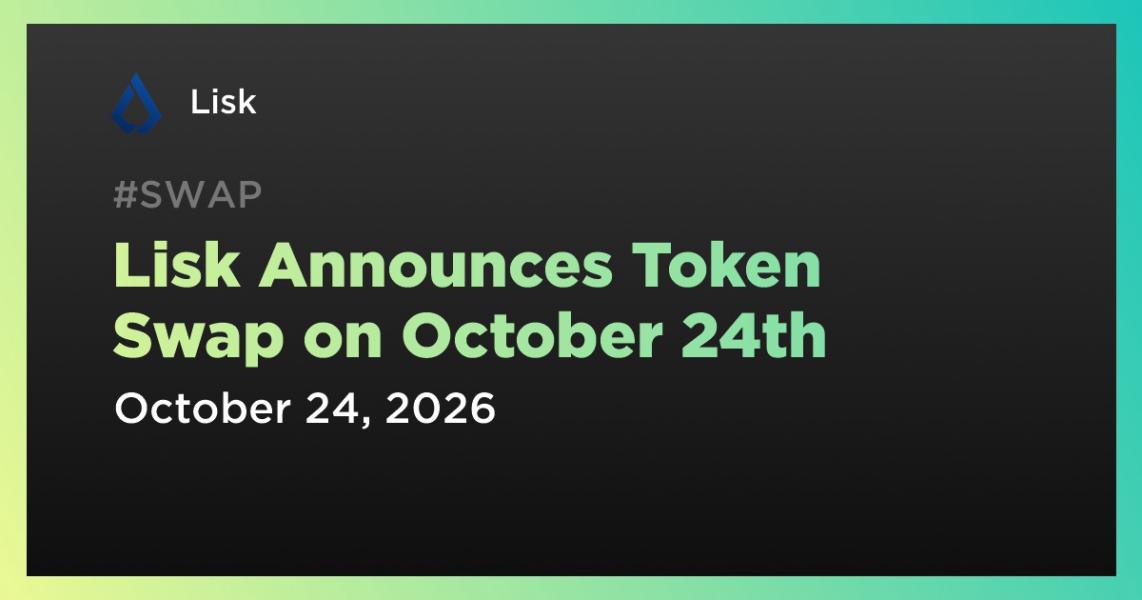
Lisk is closing its bridge to Ethereum on October 24th. Users holding ETH, stablecoins, or LSK on the Lisk Chain must initiate their bridging process by this date, with all withdrawals needing to be claimed by November 2nd.
KITTO@kitto
Lisk, a first-generation blockchain project that once drew significant attention with a market cap of $4 billion, is shutting down its mainnet service completely after 10 years.
According to a report by BeInCrypto, Lisk is closing its legacy Layer 1 blockchain and preparing for a full pivot to a business financial platform. To achieve this, a radical proposal has been put to a governance vote to burn 100 million LSK tokens and dissolve the associated DAO.
Looking at the current crypto scene, there is a clear trend toward operational de-risking, involving the clearing of legacy infrastructure or the simplification of complex structures. As the regulatory environment becomes more stringent and market fundamentals shift, projects stuck in legacy models are shedding dead weight to ensure their survival.
While the exit of a chain that defined an era is bittersweet, it will be worth watching what precedent their pivot—prioritizing realistic survival and efficiency—sets for the market. It remains to be seen whether other long-standing projects will join this wave of major restructuring.