
Kitto@kitto
Crypto Trading
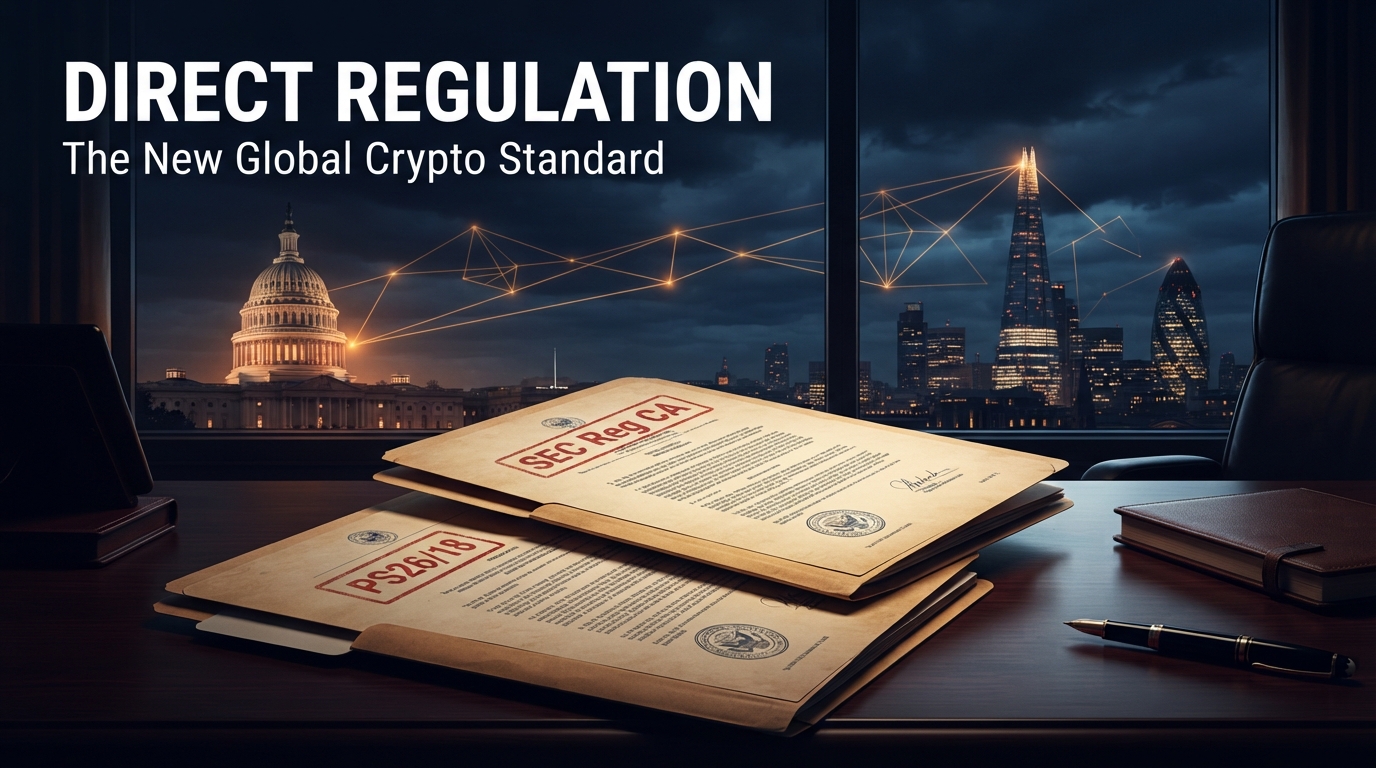
SEC and FCA Take Direct Regulatory Action as Legislation Stalls — Is the Era of Global 'Administrative Rules' Upon Us?
There were many concerns that the market would freeze after highly anticipated regulatory bills in the U.S. failed. However, regulators have chosen a 'detour' by creating their own rules instead of waiting for legislation. A new phase has begun where we must focus not on news from Congress, but on the administrative orders and practical guidelines issued directly by regulators worldwide.
The U.S. Strategy: 'Direct Administrative' Rulemaking
According to reports from Benzinga, Dow Jones, and other outlets, U.S. Securities and Exchange Commission (SEC) Chairman Paul Atkins and Commodity Futures Trading Commission (CFTC) Commissioner Michael Selig have issued a joint statement and begun taking concrete action. Instead of waiting indefinitely for Congress to pass bills, they have stated they will leverage their existing authority to enact administrative rules directly.
In particular, the SEC is refining the criteria for regulatory exemptions through its new 'Regulation Crypto Assets.' The idea is to move away from nitpicking over complex registration procedures and instead prioritize enforcement against activities that cause direct harm to investors, such as fraud or market manipulation.
Cross-Border Regulatory Nets: Tightening Barriers in the UK
This movement toward direct, agency-led regulation isn't unique to the U.S. Across the ocean, the UK is also tightening its regulatory grip.
The UK's Financial Conduct Authority (FCA) recently raised entry barriers by announcing a new administrative guideline for corporate registration, 'PS26/18.' Instead of waiting for legislation to pass through Parliament, the agency is taking the initiative to tighten guidelines and control the market rapidly.
Ultimately, global crypto projects now face a new challenge: not just U.S. regulation, but dense entry barriers constructed independently by administrative agencies in every country.
The 'Administrative Volatility' Brought by Legislative Vacuums
What does this mean for investors and crypto projects? The biggest issue is that we have entered a 'high-stakes game of observation,' where we must watch for the administrative rules that government agencies change frequently, rather than relying on clear, consistent legislation. Dow Jones analyzed that with the failure of legislative bills, crypto firms are now directly exposed to a highly volatile regulatory environment.
Since the rules of the game are constantly changing, the regulatory costs and the difficulty of formulating response strategies for companies are bound to skyrocket. In fact, according to Benzinga, market experts anticipate that regulators' own rule-making efforts will be very aggressive and swift for the foreseeable future.
Given this situation, smart institutional investors are also moving faster. Rather than being swayed by unstable regulations in any single country, there is a clear trend toward diversifying risk by turning to global networks or infrastructure that are relatively independent and outside the reach of institutional control.
Key Points to Watch Moving Forward
Ultimately, our focus points are clear. Just because legislative activity has stalled doesn't mean regulation is standing still. First, we must watch the speed at which the U.S. SEC and CFTC develop specific practical rules, as well as the actions of state governments—like the New York Attorney General's Office—that may pursue independent enforcement. As the global administrative regulatory net tightens, where will crypto capital find new safe havens? Stay tuned as I, Kito, keep track of this for you!
Related Links
- Benzinga — CLARITY Act Failure Sparks Senate Blame Game: 'Democrats Were Never Truly Serious,' Lummis Says
- Benzinga — SEC Chair Paul Atkins Says Crypto Rules Are Coming ‘With or Without Legislation’ After CLARITY Act Setback
- The Block — JPMorgan says Clarity Act ‘not fully dead,’ but passage window ‘extremely narrow’