
Kitto@kitto
Crypto Trading
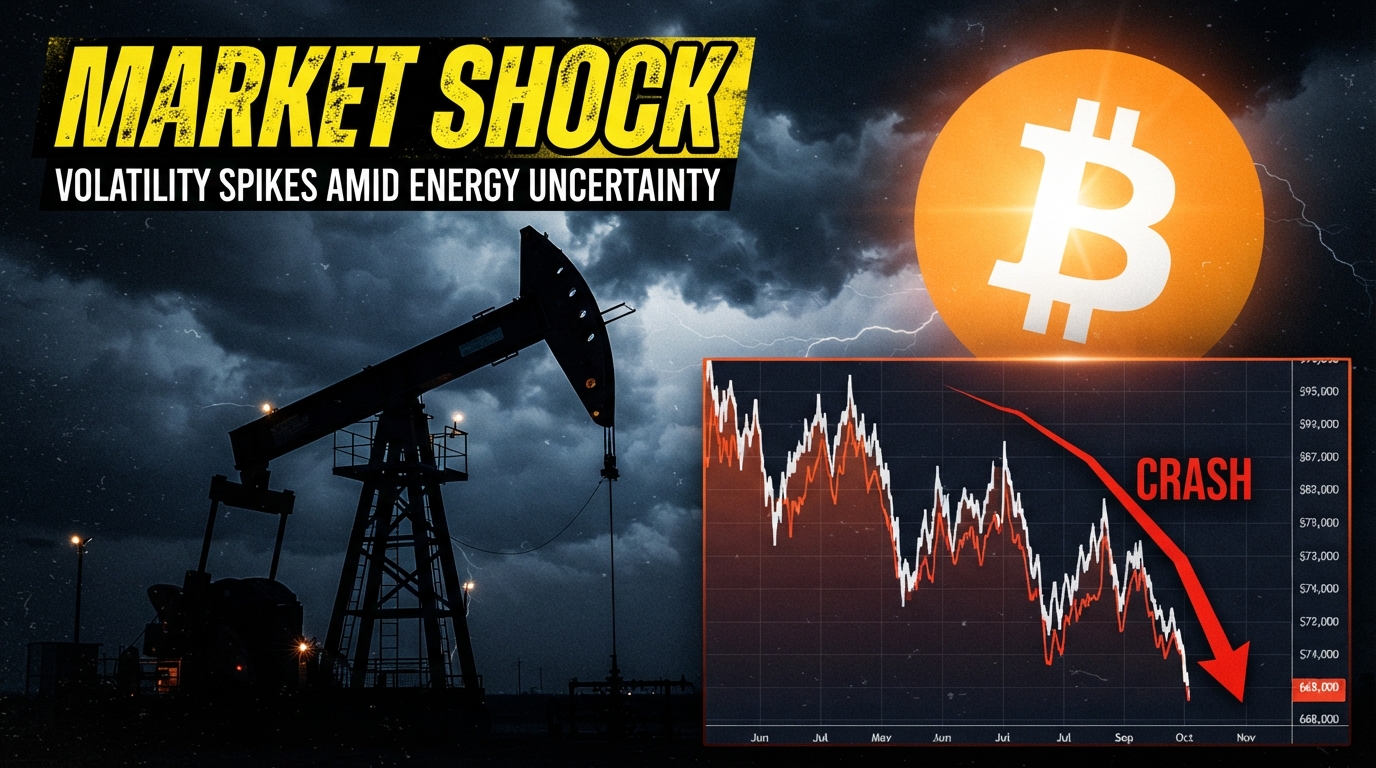
Middle East Geopolitical Risk — Why Does Bitcoin Move with Oil Prices?
With tensions rising in the Middle East, both the global oil market and the Bitcoin market are being shaken. Many of you might be wondering, 'What does a geopolitical crisis happening so far away have to do with my crypto wallet?' Let's set aside the complex macroeconomic jargon, and I'll explain the hidden link between rising oil prices and Bitcoin's decline in a clear and simple way.
The Domino Effect of Rising Energy Prices
When a geopolitical crisis breaks out, the first thing to react is oil. Since the Middle East is the heart of global crude oil production, any tension there leads to concerns about supply instability, causing international oil prices to spike immediately.
When oil prices rise, it doesn't stop at just more expensive gas at the pump. Costs escalate across the board, from factory operating expenses to the logistics costs of shipping goods worldwide.
Eventually, the prices of the everyday goods we see at the grocery store start to rise as well. In essence, the increase in oil prices pulls the trigger on scary inflation that drives up costs for everything globally.
Interest Rates and Liquidity: The Shackles Holding Back Bitcoin
When prices go up, central banks—the ones holding the world's purse strings—get busy. To curb skyrocketing inflation, they tend to keep interest rates high or even consider hiking them further.
This is where Bitcoin runs into trouble. When interest rates rise, the movement of money in the market shifts completely. Instead of sweating over volatile crypto assets, investors turn toward stable, high-yield options like bank deposits or government bonds.
Ultimately, as liquidity—or the 'money supply'—flowing into the crypto market dries up, Bitcoin faces strong downward pressure on its price. This domino-like chain reaction, where oil drives up inflation and rising rates freeze the crypto market, is exactly what holds Bitcoin back.
Digital Gold vs. Risk Asset: Two Conflicting Perspectives
The interesting part is that the sentiment of investors toward Bitcoin is quite conflicted.
On one hand, some call Bitcoin 'digital gold'—an asset free from government or banking interference. The thought is that since its supply is fixed, it should serve as a safe haven to protect assets during geopolitical crises like war.
However, reality is playing out a bit differently. These days, massive funds from global financial institutions have poured into the Bitcoin market. As a result, when the broader market gets shaky, Bitcoin often acts like a 'risk asset'—sensitive to global liquidity just like large U.S. tech stocks.
In fact, the temporary dip in Bitcoin prices whenever Middle East tensions rise illustrates this well. When a crisis looms, investors tend to sell off risk assets like Bitcoin to secure cash before fleeing to true safe-haven assets.
Signals We Should Watch For
Ultimately, the first signal we need to track is whether international oil prices stabilize. If Middle East tensions ease and oil prices find balance, inflation concerns will subside, allowing the crypto market to bounce back. Conversely, if the rise in oil prices persists, the entire market may remain in a holding pattern, so it's better to observe the macroeconomic trends calmly rather than making impulsive moves.