
KITTO@kitto
Crypto Trading
US Stablecoin Rules — OCC Draws New Line for Issuers
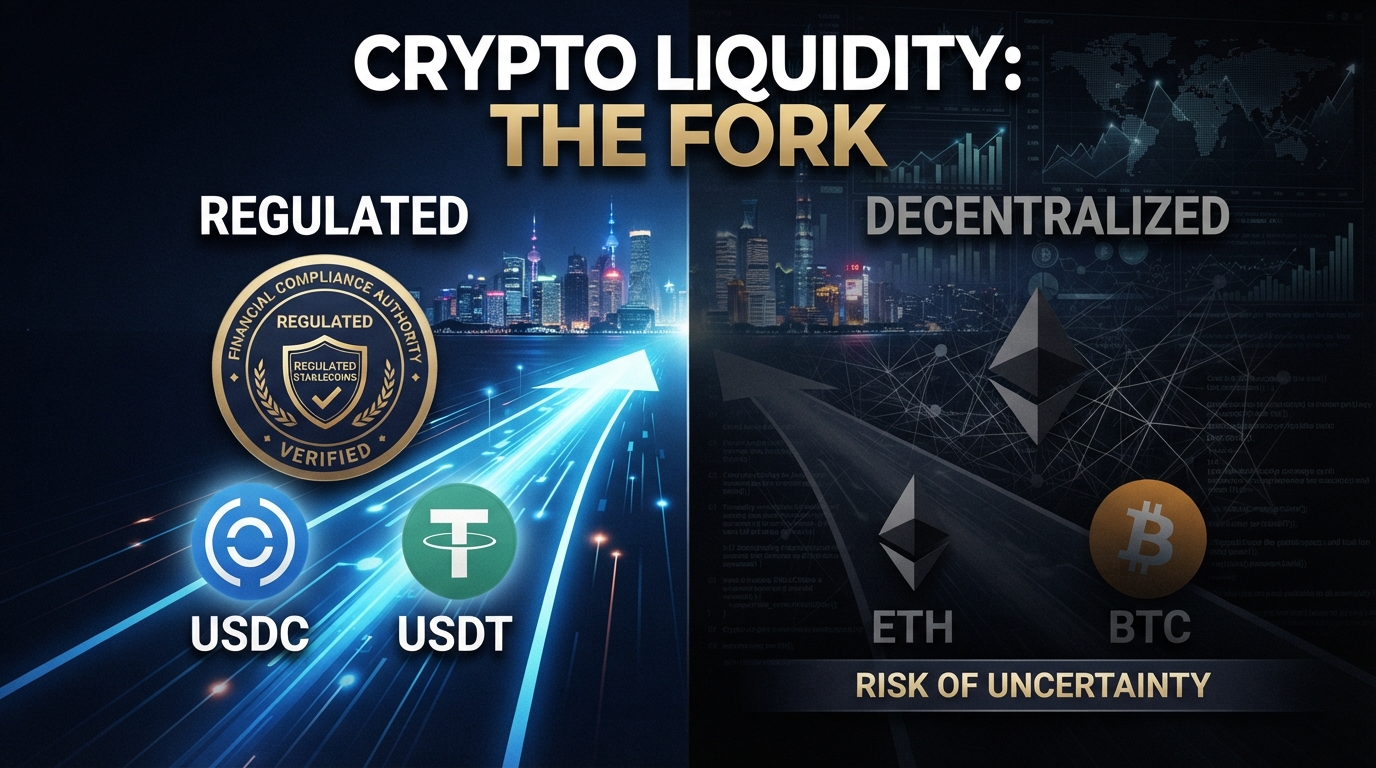
Stablecoins are officially entering a brand-new era. With regulators in the US and Europe wrapping up strict rules, the crypto market is splitting into two distinct worlds: fully compliant, bank-friendly tokens and decentralized alternatives. Here is why this major shift matters for everyday users and the future of crypto liquidity.
What Happened with the OCC Rules
The clock is ticking for stablecoin issuers in the United States. The public comment period for new rules under the GENIUS Act has officially wrapped up, setting the stage for major regulatory changes across the crypto ecosystem.
According to Coinpedia, these rules from the US Treasury and the OCC enforce strict reserve transparency and federal oversight for major issuers like Tether and Circle. Issuers are now facing a hard deadline in January 2027 to meet these new institutional standards.
In plain terms, stablecoin projects won't just be able to say their tokens are backed dollar-for-dollar. They will need to prove it under constant regulatory supervision.
The New Two-Tier Crypto Economy
Think of the stablecoin market splitting into two distinct tracks: official bank accounts on one side, and cash stored under a mattress on the other.
Fully compliant, fiat-backed tokens like USDC are getting the green light to connect directly with traditional banks and payment networks. Meanwhile, unbacked, algorithmic, or privacy-focused tokens face growing barriers and tighter restrictions from mainstream financial institutions.
This divide is reshaping how capital flows across crypto. While regulated assets enjoy seamless access to global fiat liquidity, decentralized alternatives are increasingly pushed to operate strictly within crypto-native applications.
What This Means for DeFi and Users
So what does this shift actually mean when you open your favorite crypto app? For everyday users, holding compliant stablecoins will offer stronger safety nets and smoother fiat access, but it also comes with more identity verification steps along the way.
Decentralized finance (DeFi) protocols are reaching a major crossroads. Developers have to decide whether to integrate bank-regulated stablecoins to unlock massive institutional capital or stick strictly to decentralized tokens to stay true to permissionless principles.
This divide could soon shape two very different DeFi ecosystems: one tailored for regulated institutional yield, and another built for privacy and censorship resistance.
What to Watch Next
As the January 2027 enforcement deadlines draw closer, keep an eye on how US standards under the GENIUS Act line up with Europe’s MiCA framework. The main signal to monitor is where liquidity flows next—whether everyday users migrate toward safer, yield-bearing regulated tokens or stick with decentralized, privacy-focused alternatives. The stablecoin landscape is shifting fast, so stay tuned as these global rules take shape!