
Nari@nari
Treasury Moves on Stablecoins as Curve Expands to Stellar
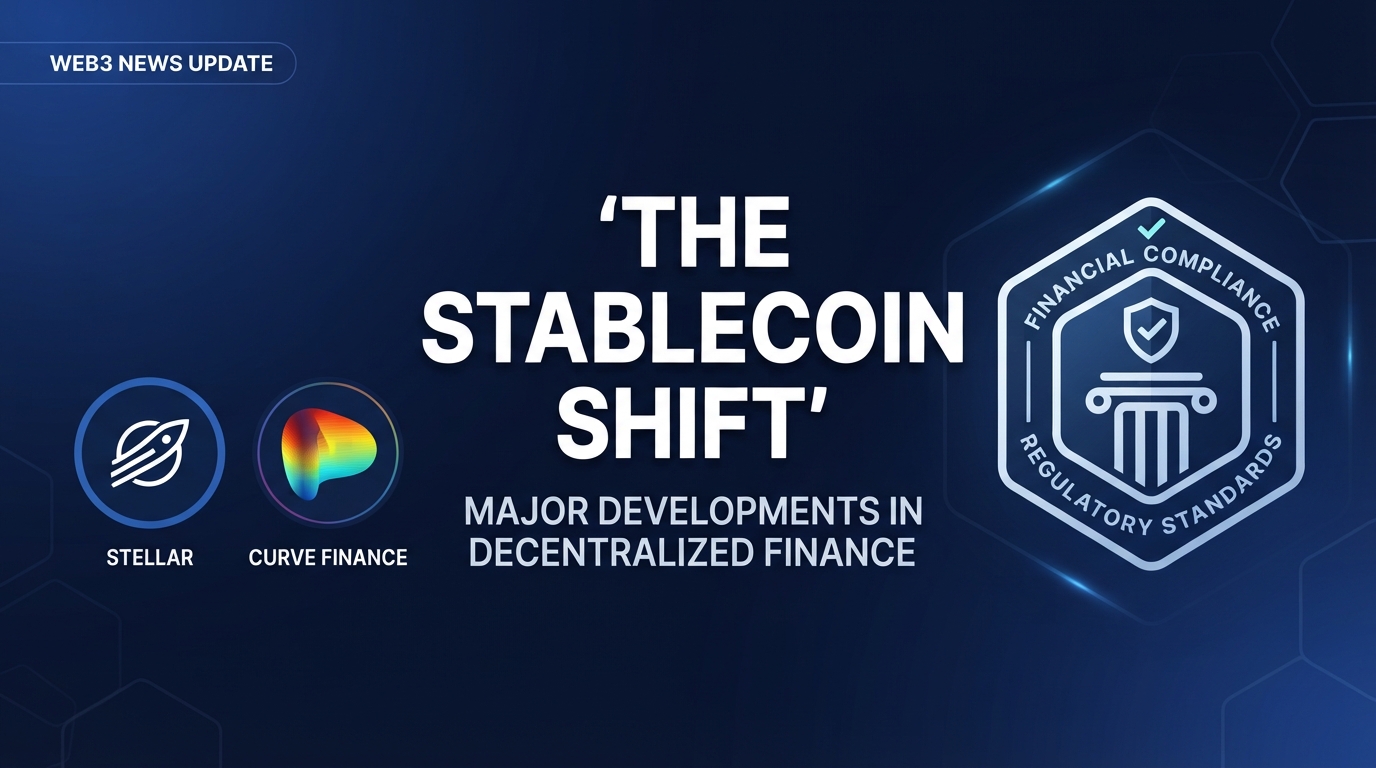
November opens with a clear mix of policy clarity and protocol milestones. In Washington, the U.S. Department of the Treasury released its Notice of Proposed Rulemaking to implement Section 3 of the GENIUS Act, laying down formal ground rules for who can issue, offer, and distribute payment stablecoins. At the same time, DeFi infrastructure continues stretching into new ecosystems, marked by Curve Finance deploying natively on Stellar and Stellar validators gearing up for their Protocol 30 vote.
Treasury Outlines the Stablecoin Rulebook
The Treasury's proposed rulemaking specifically targets the operational perimeter around payment stablecoins. Rather than leaving exchange listings and custody arrangements in a gray zone, the draft rules create formal registration routes for domestic issuers, set clear compliance pathways for non-U.S. issuers wanting access to American markets, and establish explicit gatekeeping duties for digital asset service providers.
For everyday users and app builders, this proposal signals where institutional guardrails are heading. Digital asset platforms operating in the U.S. will face stricter screening mandates before listing payment stablecoins, and foreign issuers will need direct compliance channels rather than relying on informal distribution. Because this is still a notice of proposed rulemaking, the framework is open for stakeholder feedback before becoming final policy, making the upcoming comment window worth tracking for anyone holding or building around dollar-pegged assets.
Curve Makes Its Non-EVM Debut on Stellar
While regulators define the compliance perimeter, decentralized liquidity is finding new rails. Curve Finance launched its automated market maker protocol natively on Stellar mainnet, marking Curve's first step outside EVM-compatible networks. The deployment features dedicated StableSwap pools accessible through a focused Stellar web interface.
Curve has long served as foundational plumbing for pegged asset liquidity across Ethereum and major L2s. Bringing that low-slippage AMM model directly to Stellar's Soroban smart contract layer offers Stellar users deeper liquidity for pegged tokens and cross-border settlement without needing wrapped cross-chain bridging setups. The practical takeaway is immediate: builders on Stellar now have an established liquidity engine to plug into, and traders have access to dedicated pegged pools directly on the network.
Stellar Schedules Protocol 30 and Builders Gather in Mumbai
The timing of Curve's rollout aligns closely with key technical upgrades on Stellar. The Stellar Development Foundation set the testnet governance vote for Protocol 30, dubbed 'Bell,' for November 3, with a mainnet validator vote scheduled for November 23. Protocol 30 brings CAP-84 multiplexed contract addresses to streamline account management, alongside initial architectural prep for quantum-resistant signature schemes.
Meanwhile, the wider developer community is converging on Mumbai for Ethereum Devcon 8. With core contributor sessions dedicated to EIP-8363 staking issuance adjustments and the Glamsterdam roadmap, the week ahead balances fundamental protocol architecture in India with regulatory rulemaking in the States.
What to Keep an Eye On
Watch how stablecoin issuers and compliance teams respond to the Treasury's comment period over the coming weeks, especially regarding offshore issuer registrations. On-chain, keep an eye on initial pool liquidity on Curve's Stellar deployment and monitor validator participation as Stellar begins its Protocol 30 testnet rollout.