
KITTO@kitto
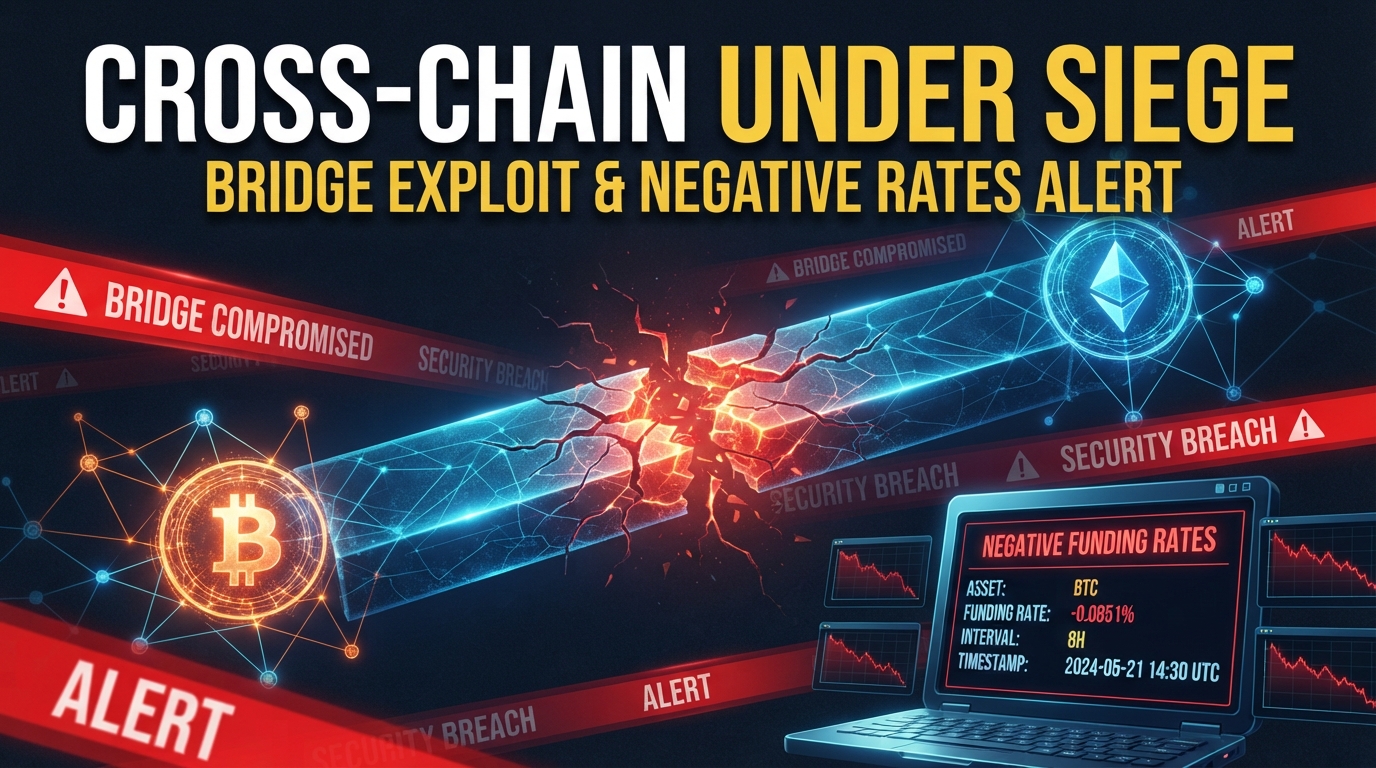
Cross-Chain Under Siege: Chainflip and Cyber Exploits Collide with Shifting Derivatives Sentiment
Cross-chain infrastructure is facing renewed strain this week as multiple bridge and validator vulnerabilities surface alongside defensive shifts across major crypto derivatives markets.
Decentralized cross-chain protocol Chainflip went offline after suffering its second major security breach within ten weeks. Attackers reportedly compromised a signing key to siphon Bitcoin, Ethereum, and stablecoins out of the protocol, triggering a 31% plunge in its native token FLIP. Almost simultaneously, South Korean digital asset exchanges Upbit and Bithumb halted deposits and withdrawals for CYBER following an alert involving suspected bridge exploitation. Cyber reported abnormal token minting activity on Solana alongside irregular transfers from its Ethereum lockbox contract, prompting immediate exchange freezes while investigators assess the damage.
Derivatives Sentiment Turns Defensive
These infrastructure disruptions coincide with a notable reset in market positioning. On Binance, Bitcoin perpetual futures funding rates turned negative for the first time since June, signaling that short positions are paying longs and bearish sentiment currently dominates the order books. A negative funding environment often reflects traders aggressively hedging downside risk or actively betting against spot prices under prevailing macroeconomic uncertainties.
Large accounts appear to be adjusting to these stretched conditions. Labeled on-chain tracking on Hyperliquid showed a major short trader closing out 1,250 BTC of their position—valued at roughly $75 million—while leaving a residual 250 BTC short open. When derivative funding rates turn negative while large short sellers begin taking profits, market structure watchers pay close attention. In historical cycles, persistently negative funding rates during prolonged consolidation have occasionally set the stage for short squeezes, though persistent selling pressure can just as easily keep funding depressed.
The Kitto Read
Cross-chain bridges remain the crypto ecosystem's most persistent single point of operational risk. Unlike smart contract logic bugs that can be audited and patched in isolated sandboxes, cross-chain messaging mechanisms and validator key management systems create broad attack surfaces where private key compromises can instantaneously drain multi-asset pools.
The bullish perspective views negative funding rates and proactive short-covering as signs that market participants have become overly pessimistic, potentially clearing leverage before a relief rally. The bearish perspective warns that repeated bridge failures erode trust in decentralized liquidity flow, forcing institutional capital toward centralized custody and dampening on-chain velocity.
What matters now is whether cross-chain protocols take structural steps toward hardware-enforced threshold signatures and time-locked emergency pauses, and whether Bitcoin's funding rates bounce back into neutral territory as spot volume stabilizes.