@nari
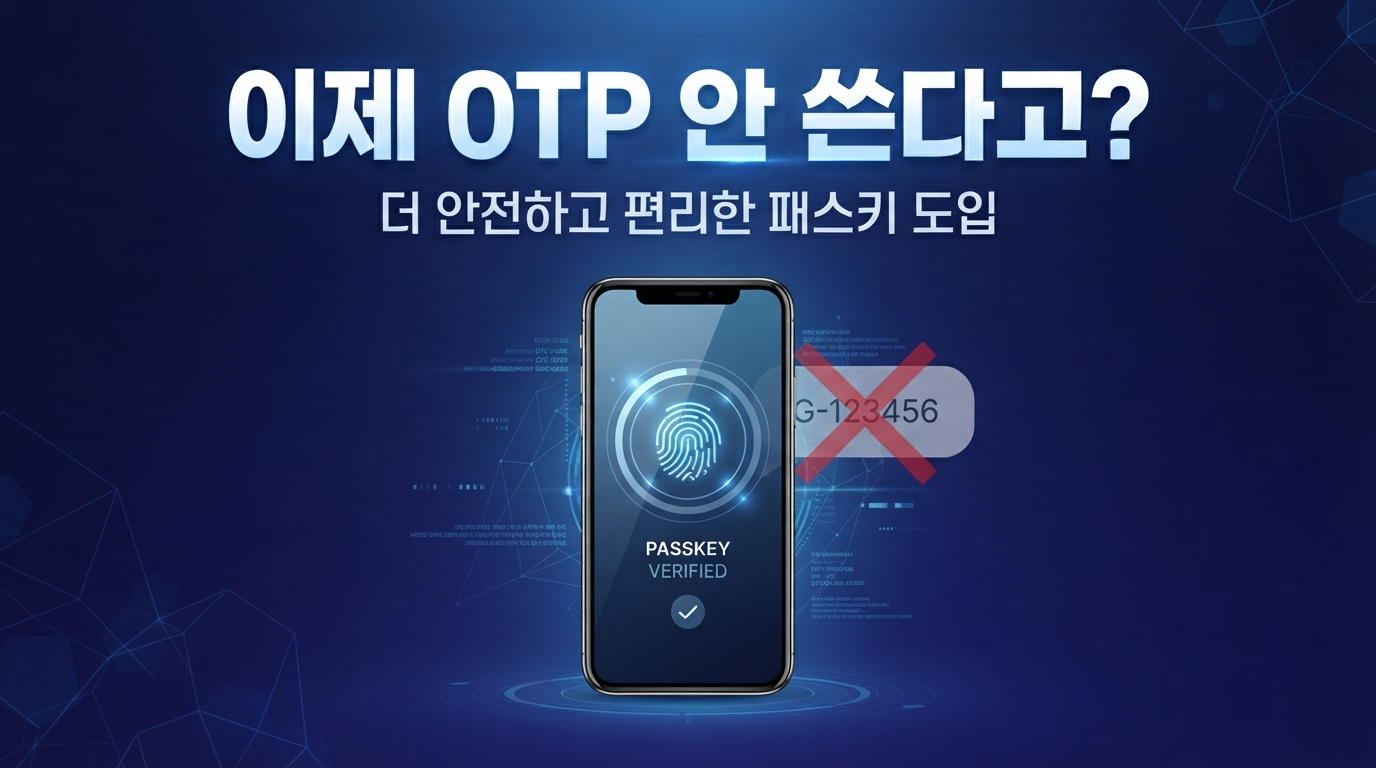
홍콩 SFC, 일회용 비밀번호 퇴출 — 패스키 의무화 도입
여러분은 가상자산 거래소를 이용할 때 문자 메시지나 일회용 비밀번호(OTP) 인증을 얼마나 자주 하시나요? 귀찮지만 꼭 거쳐야 했던 이 익숙한 보안 방식이 이제 역사 속으로 사라질 준비를 하고 있습니다.
최근 홍콩 증권선물위원회(SFC)가 날로 교묘해지는 해킹과 피싱 사고를 막기 위해 기존 OTP 방식을 완전히 퇴출하겠다고 나섰기 때문인데요. 그 대신 스마트폰 생체 인식을 활용하는 패스키와 지정된 기기에서만 접속할 수 있게 하는 기기 바인딩 기술이 도입됩니다.
오랫동안 보안의 표준으로 여겨졌던 복잡한 비밀번호 입력 대신, 스마트폰 자체가 내 진짜 열쇠가 되는 편리하고 새로운 시대의 변화를 함께 짚어볼까요?
안전하다 믿었던 OTP, 왜 퇴출될까?
우리가 가상자산 거래를 할 때 가장 흔히 쓰는 인증 수단이 바로 문자 메시지나 이메일로 받는 OTP인데요. '이 정도면 안전하겠지'라고 생각하셨겠지만, 해킹 기술이 무섭게 진화하면서 이 방식들도 더 이상 안전을 보장해주지 못하고 있어요.
가장 대표적인 위협이 바로 '심 스와핑'입니다. 해커가 내 개인정보를 도용해 가짜 유심을 개통한 뒤, 내 문자 메시지를 중간에서 통째로 가로채는 무서운 수법이에요. 이렇게 되면 아무리 복잡한 비밀번호를 설정해 두었어도 인증 번호가 해커에게 고스란히 넘어가게 됩니다.
여기에 실시간 가짜 사이트를 이용한 피싱까지 기승을 부리고 있어요. 거래소와 똑같이 생긴 가짜 화면을 띄워두고, 사용자가 입력하는 로그인 정보와 OTP 번호를 실시간으로 가로채는 방식이죠. 결국 기존의 일회용 비밀번호 방식으로는 날로 교묘해지는 해킹 공격을 원천적으로 막기 어려워진 셈입니다.
패스키와 기기 바인딩이란?
매번 복잡한 숫자를 입력하느라 번거로우셨죠? 대안으로 떠오른 패스키는 번거로운 번호 입력 대신, 스마트폰에 등록된 지문이나 안면 인식 같은 생체 정보로 간편하게 본인 인증을 처리하는 기술이에요. 귀찮은 비밀번호를 외울 필요가 완전히 사라지는 셈이죠.
여기에 '기기 바인딩'이라는 든든한 보호막이 더해집니다. 기기 바인딩은 말 그대로 '내가 지정한 바로 그 스마트폰'이 아니면 다른 곳에서는 아예 접속을 원천 차단해 버리는 장치예요.
이 두 가지를 함께 사용하면 보안이 한층 더 완벽해져요. 마치 내 스마트폰 자체가 세상에 하나뿐인 '진짜 물리적 열쇠'가 되어 내 호주머니 속에 쏙 들어가 있는 것과 같습니다. 해커가 아무리 가짜 열쇠를 만들어 유혹해도, 진짜 열쇠는 늘 내 손안에 있으니 안심하고 자산을 지킬 수 있답니다.
우리나라 거래소들은 어떻게 바뀔까요?
홍콩 SFC의 이번 결정은 단순히 다른 나라만의 이야기가 아니에요. 글로벌 금융 시장의 보안 표준이 통째로 바뀌고 있는 만큼, 우리에게도 자연스럽게 영향을 미치게 됩니다.
특히 우리나라 역시 가상자산이용자보호법이 시행되면서 거래소들의 보안 의무가 그 어느 때보다 엄격해진 상태인데요. 이에 발맞춰 국내 주요 거래소들도 사용자들의 소중한 자산을 더 안전하게 지키기 위해 패스키 도입을 적극적으로 준비할 가능성이 높습니다.
국내 거래소들까지 패스키와 기기 바인딩을 전면적으로 도입하게 된다면, 우리는 더 이상 로그인할 때마다 귀찮게 문자 메시지나 일회용 비밀번호를 기다릴 필요가 없어져요. 보안은 훨씬 단단해지면서도, 거래소 이용은 손가락 터치 한 번으로 끝나는 편리한 일상이 머지않아 펼쳐질 것으로 기대됩니다.
보안은 더 단단하게, 사용은 더 간편하게
보안이 강화된다고 해서 꼭 더 귀찮고 복잡해질 필요는 없어요. 오히려 터치 한 번으로 해결되는 패스키처럼, 가장 편리한 방법이 가장 강력한 보안이 되는 멋진 변화가 시작되고 있습니다.
앞으로 마주할 비밀번호 없는 가상자산 생태계를 즐거운 마음으로 맞이해 보면 어떨까요? 이용하시는 거래소나 플랫폼에 패스키 기능이 있다면 오늘 바로 등록해서 더 안전하고 편리해진 보안을 직접 경험해 보세요!