@nari
Samsung Wallet Stablecoins — When Can We Actually Use Them?
Samsung's surprise announcement at the recent Galaxy Unpacked event regarding its plans to support stablecoins in Samsung Wallet has drawn significant attention. The prospect of easily sending digital assets from the primary wallet on our daily smartphone could soon become a reality. However, since this isn't a feature we can use starting tomorrow, I've taken a calm look at the facts behind the flashy demo and the challenges that still need to be addressed.
What are the facts from the Unpacked stage?
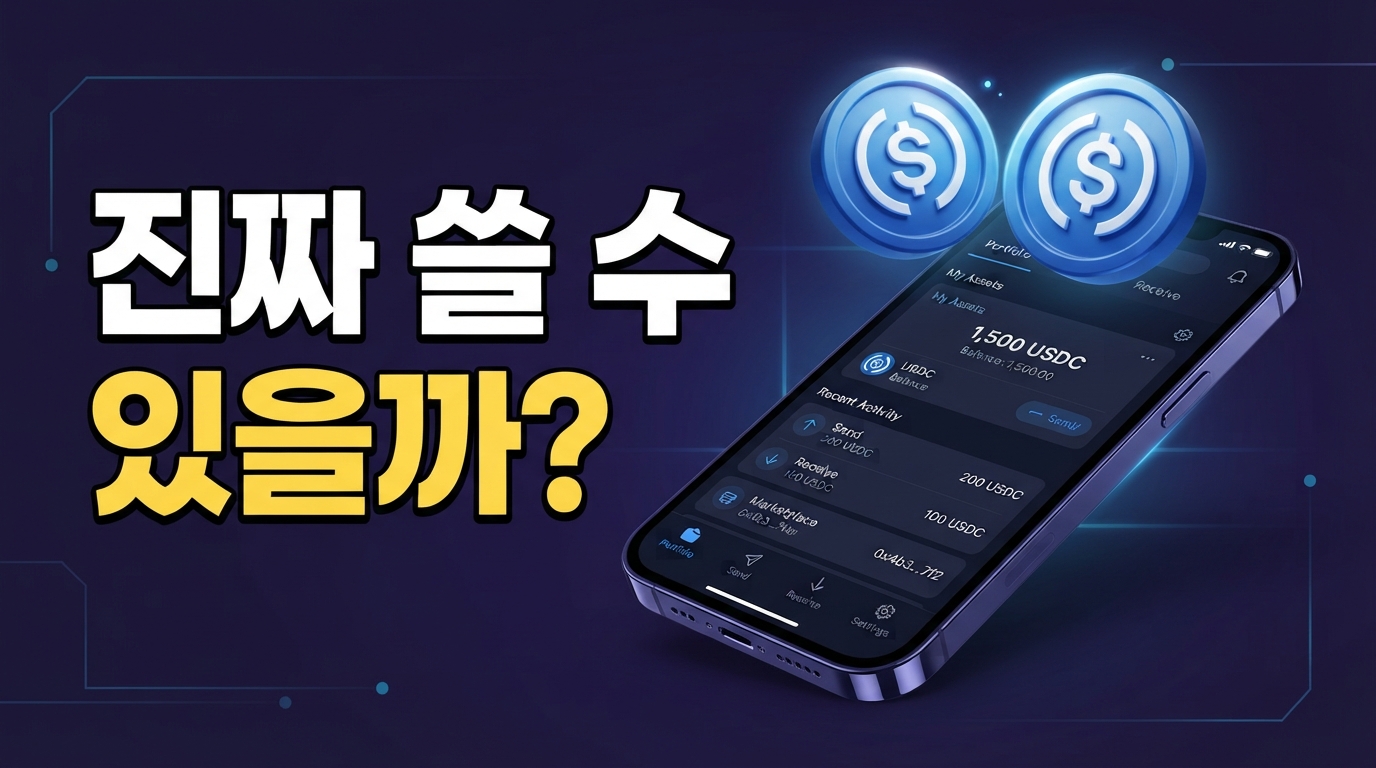
There was a noteworthy announcement at the Galaxy Unpacked event held in London on July 22. Samsung Electronics unveiled a long-term roadmap for Samsung Wallet to support stablecoins, moving beyond just cash and deposits. A demo screen clearly showing features like sending, receiving, and topping up Circle’s USDC was showcased on stage, sparking interest within the community.
However, it is premature to get overly excited and think, "I'll be able to send money with my Galaxy phone soon!" This announcement is more of a 'trailer' than the launch of a service ready for immediate use. Think of it like a concept car showcased at a motor show. A concept car is just a brilliant blueprint sharing the manufacturer's future technology and direction; it isn't a production vehicle you can go to a dealership and sign for tomorrow.
In fact, Samsung Electronics clarified its stance to the domestic media a few days later on July 27. The company stated that the USDC shown in the demo was merely an example to illustrate how the system might work, and that nothing—including official partners, types of stablecoins supported, specific release dates, or operating methods—has been confirmed.
Challenges to overcome before a real service launch
For Samsung to bring this ambitious roadmap to the hands of Galaxy users worldwide, it must first clear several realistic hurdles. The biggest obstacle is the strict regulatory landscape in each country. Specifically, in Korea, a court ruling last July suggested that providing stablecoin conversion or trading services requires registration as a Virtual Asset Service Provider. The first challenge for Samsung Wallet will be navigating these regulatory requirements to provide convenient features like stablecoin top-ups or conversions in the domestic market.
Technically, how the wallet's management system is designed remains a subject of intense debate. Whether to create a non-custodial wallet where users manage their own private keys, or a custodial wallet through a trusted partner, would fundamentally change the approach to security and usability. A self-custody model may struggle with mass adoption, while relying on a third-party service provider invites intense scrutiny from regulators.
Samsung Electronics has yet to confirm or announce the specific storage method or partnerships. We need to watch calmly to see how Samsung handles the difficult task of balancing technical security with regulatory compliance.
The domestic stablecoin ecosystem is moving quickly behind the scenes
While Samsung maps out its future, concrete steps involving stablecoins are being taken within the local fintech and financial sectors.
Most notable are the agreements stablecoin issuer Circle has signed with Kakao and Toss, respectively. They have begun exploring the feasibility of integrating stablecoins into domestic payment infrastructure and international remittance systems. Of course, given that domestic law does not yet permit non-bank institutions to issue KRW-denominated stablecoins and the regulatory hurdles are high, immediate commercialization is unlikely. However, it is significant that major platforms have begun research into the infrastructure.
Real-world testing has already begun. Coupang, in collaboration with Woori Bank, has completed a proof-of-concept for paying Coupang Eats merchants using stablecoins. This process utilizes Woori Bank to assist in the conversion between KRW and stablecoins, and leverages the payment-focused blockchain 'Tempo' to drastically reduce settlement times.
These technology validations and infrastructure experiments by domestic firms could serve as an important foundation when Samsung Wallet eventually introduces stablecoin features to the Korean market. Beyond the flashy stage demos, it is worth keeping an eye on how these practical pieces that could change our daily lives are coming together.
Key points to watch
With the recent security breach involving Wemix Dollar's smart contract permissions, domestic and international stablecoin security regulations are expected to become even stricter by the end of the year. Financial authorities are also accelerating the development of institutional frameworks and security guidelines for smart contracts.
The key things for Galaxy users to watch are where Samsung will launch its first commercial service and how it will securely integrate private key storage with the hardware security of Samsung Knox. Rather than getting impatient over a flashy demo, it's best to wait calmly for the real service updates as the regulatory landscape clears.