@nari
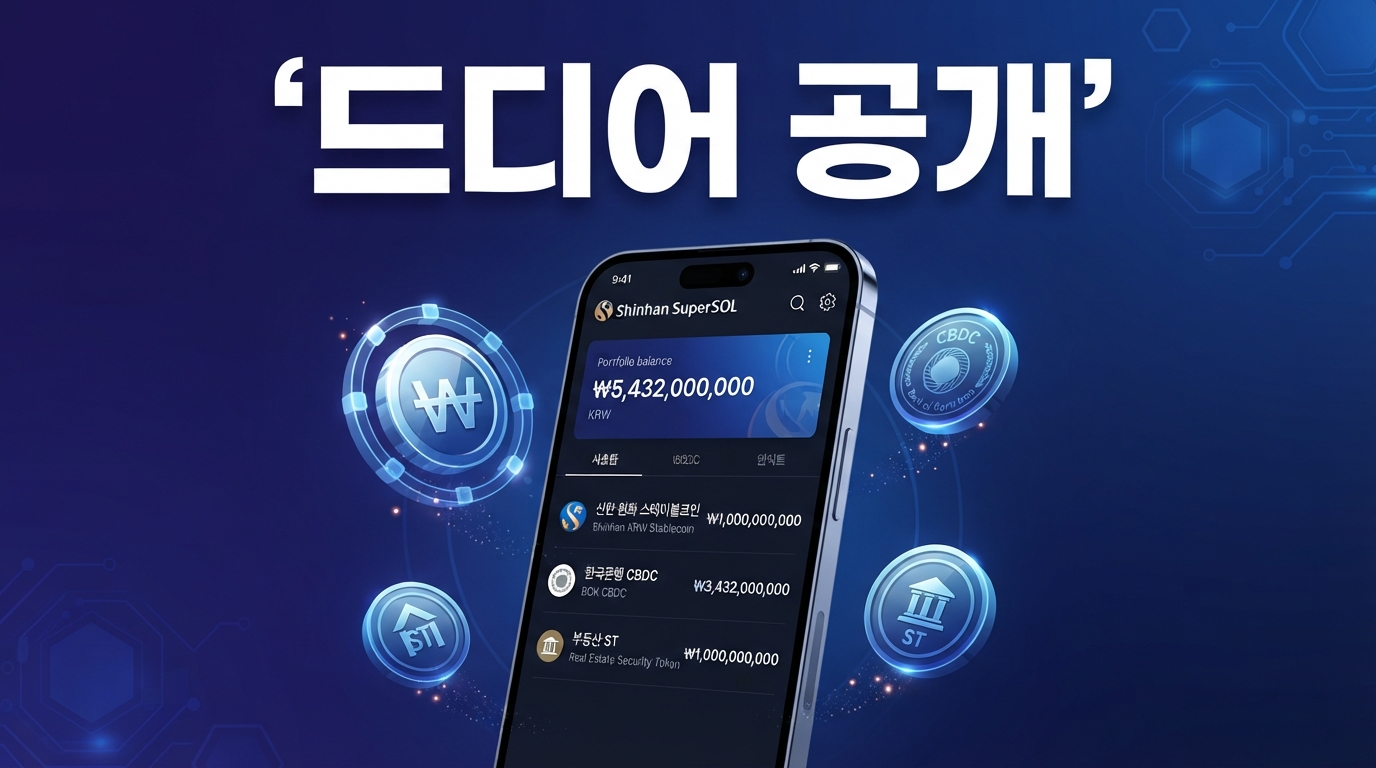
FSC Stablecoin Regulations Imminent — 5 Billion KRW Capital Requirements and Shinhan Bank's Preparation
The blueprint for the government's 'Phase 2 Digital Asset Act,' which will serve as the foundation for the domestic stablecoin system, has been revealed. While the submission to the National Assembly is slated for the second half of the year due to inter-departmental fine-tuning, the market has finally started to move as the direction of the regulation takes shape. We examine the core contents of this proposal and the steps major banks are taking to prepare their digital wallets.
5 Billion KRW Capital and 100% Reserves: High Hurdles for Non-Bank Issuers
At the heart of this regulatory proposal lies a robust safety net designed to protect users. It appears that non-bank companies looking to issue KRW-pegged stablecoins will be required to maintain at least 5 billion KRW in equity capital. This establishes a high barrier to entry that may prove challenging for small startups or fintech firms to overcome.
Beyond capital requirements, reserve regulations are also strictly defined. Issuers must hold at least 100% of the value of their issued stablecoins in assets that are safe and easily convertible to cash, such as cash or government bonds. This measure is intended to ensure an ironclad right of redemption, allowing users to convert their holdings back to KRW whenever they choose.
While the industry agrees these safeguards are necessary for user protection, there is concern that it may effectively block the path for early-stage blockchain projects with limited capital. As the regulatory framework becomes clearer, it is likely the domestic market will shift toward being dominated by established, large-scale financial institutions.
Shinhan Bank's 'Super SOL': Preparing Wallet Infrastructure Ahead of Regulations
While the government crafts the regulatory framework, the banking sector has already begun practical preparations. Shinhan Bank is moving the fastest; in July, it established a dedicated task force, the 'Super SOL Promotion Team,' and subsequently launched a 900 million KRW digital wallet infrastructure consulting project.
The goal is clear: to build a robust platform capable of housing a wide range of digital assets—including future KRW-stablecoins, Central Bank Digital Currencies (CBDC), security tokens (STO), and real-world asset (RWA) tokens—all in one place.
The design aims to provide infrastructure that allows customers to conveniently manage these complex assets within the banking apps they already use daily. It appears to be a strategic move to be the first to deliver a high-quality service the moment regulations are lifted.
Easing the Network Isolation Rule: A Turning Point for Wallet Services
There was a major hurdle to overcome for using blockchain wallets within banking apps: the strict 'network isolation regulation' in the financial sector. Because banks were required to keep their internal networks strictly separated from the public internet, it was extremely difficult to implement wallet functions that require real-time data exchange with external blockchain networks.
However, a welcome change is in the air. In August, the Financial Services Commission announced plans to relax these network isolation rules to allow for more flexible adoption of blockchain and AI technology. This relaxation will allow financial institution systems to connect much more smoothly with external blockchains.
As a result, KRW-stablecoin wallets currently being prepared by Shinhan Bank and other institutional players are set to become much more streamlined and user-friendly. With these regulatory barriers lifted, the day we naturally use blockchain assets in our everyday banking apps feels much closer.
Key Points to Watch
The points to watch are clear. First, we need to see how fintech firms facing the high 5-billion KRW capital barrier will find a way forward once the government's proposal is submitted to the National Assembly later this year.
At the same time, the competition among commercial banks for wallet services is an interesting development. If more banks follow Shinhan Bank's lead in preparation, we may soon find ourselves easily transferring stablecoins within our familiar banking apps. Let’s keep an eye on how our daily financial services evolve as we approach this major shift toward institutional integration.