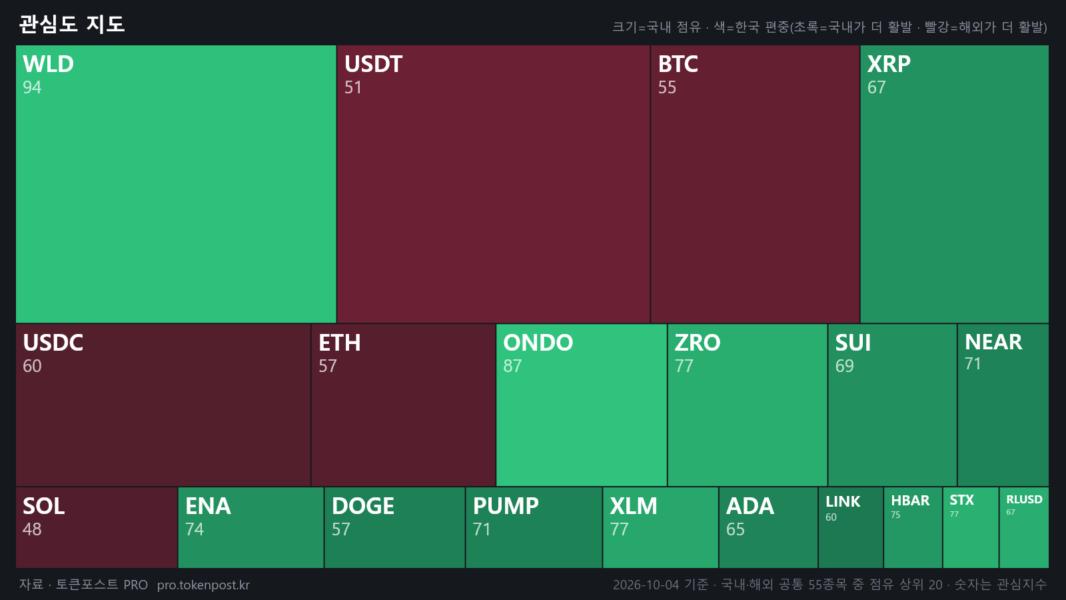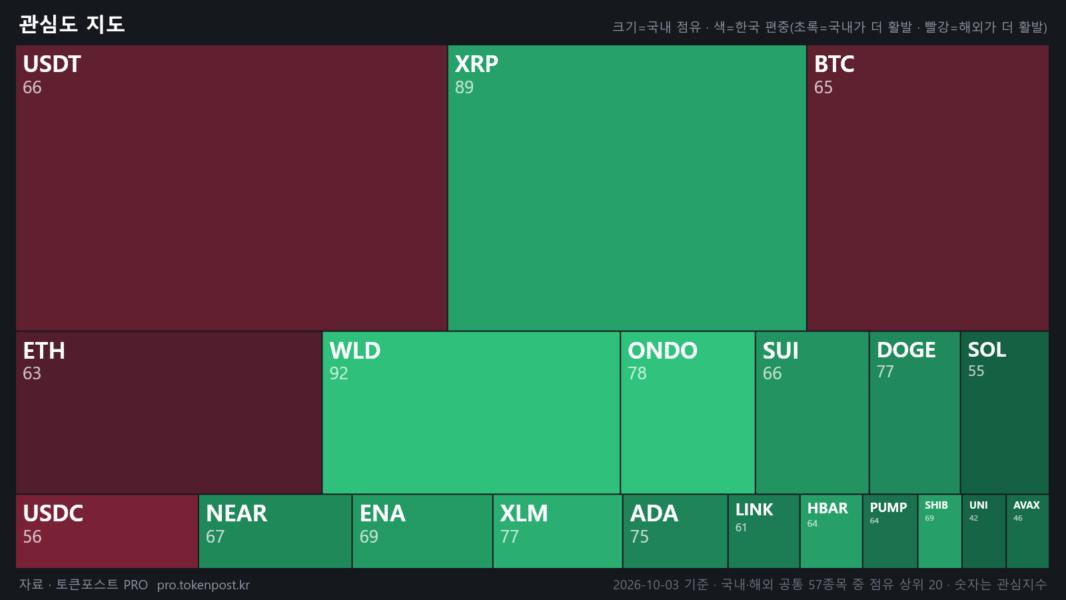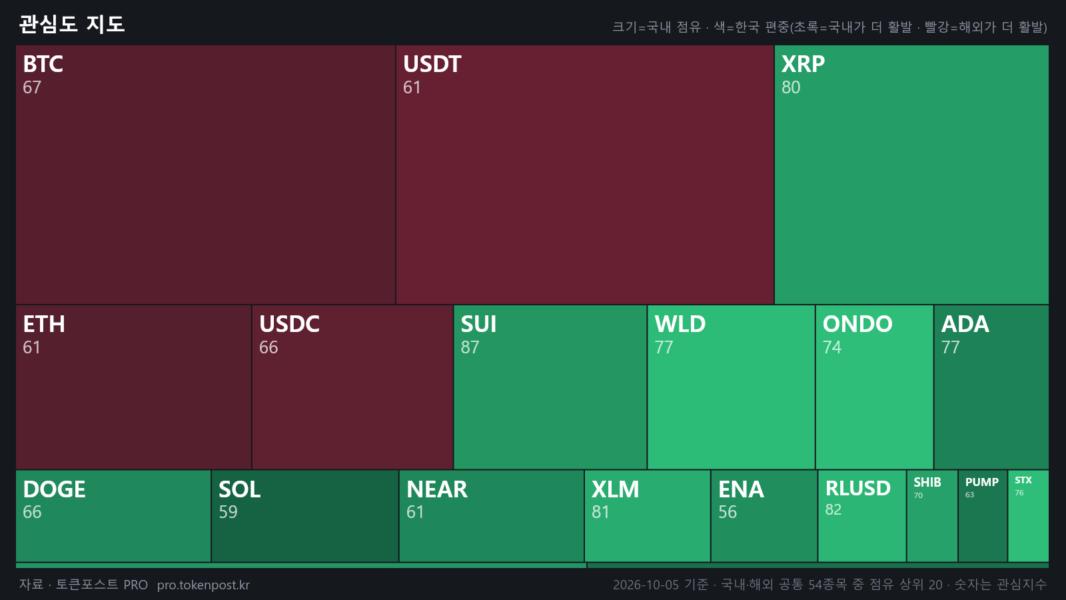
SUI has taken the top spot in domestic interest index, surpassing WLD with a domestic trading volume share of 5.51%. ONDO, STX, and WLD showed a strong domestic concentration, while BNB and USDT had a higher proportion of overseas trading. POL exhibited the highest Kimchi premium.
Use the arrow keys to inspect candles, and + or − to zoom.
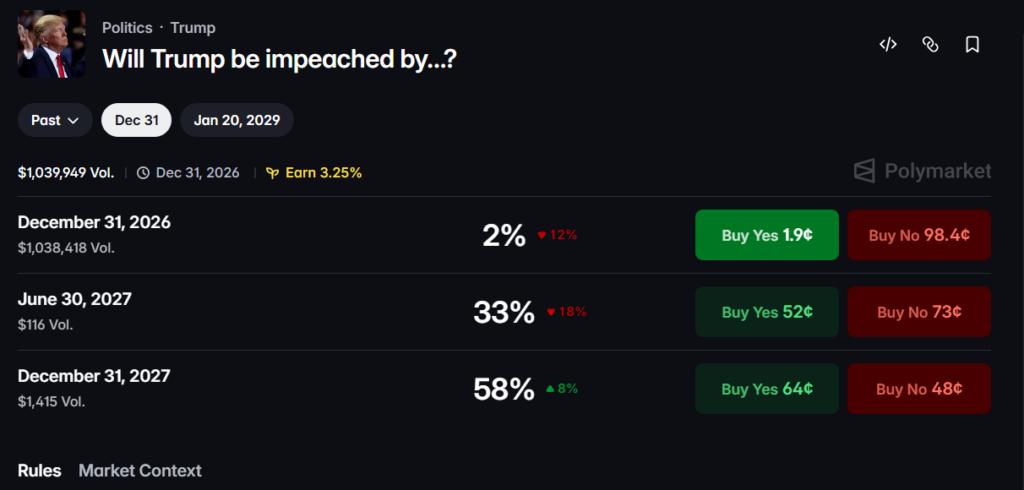
Gavin Newsom and Donald Trump engage in political sparring, with Trump urging voters to treat midterms as if he's on the ballot. Crypto bettors on Polymarket and Kalshi are weighing the odds of Trump's impeachment.
Some cryptocurrencies such as ONDO, WLD, and STX show a prominent 'domestic concentration' phenomenon with significantly higher trading volumes domestically than overseas. ONDO, in particular, has a domestic ratio 28 times higher than overseas. In contrast, BNB, USDT, and BTC have higher overseas trading ratios.
In the domestic cryptocurrency market, WLD, XRP, and ONDO are attracting attention with higher trading volumes compared to overseas. WLD, in particular, had a domestic share 23.9 times higher than overseas. In contrast, HYPE and BNB recorded more active trading volumes overseas. CC showed the highest Kimchi premium, while some stocks showed a negative premium.
Polygon has launched a stablecoin-based Euro-Dollar conversion pool that bypasses the time constraints of traditional banking foreign exchange markets. Monerium, Frax, and Copa have introduced EURe·frxUSD trading pairs on Uniswap V3, enabling direct exchange of regulated Euro liquidity and dollar stablecoin liquidity within Polygon-based applications.
Upbit will temporarily suspend deposits and withdrawals for STEPN (GMT), JPY Coin (JPYC), and Polygon Ecosystem Token (POL) starting at 6 PM due to a hard fork in the Polygon network.
The Polygon Foundation announced that staking rewards for the Polygon chain will be increased to 7.7% with the activation of PIP-92. This measure will remain in effect until December 1st.
Bitcoin hovers near $83,000 as the altcoin season index stays above 60 for five days, indicating sustained breadth. Leverage is decreasing, with liquidations and open interest falling. Some altcoins show mixed leverage patterns.
Polygon will distribute approximately 27.3 million POL to stakers over two months starting October 1st, funded by accumulated network fees. This will lead to an approximate 7.7% increase in the annualized staking rewards rate.
Polygon is launching a two-month staking incentive program starting October 1, distributing over 27 million POL tokens. This initiative aims to boost staking yields from 3% to approximately 7.7%.
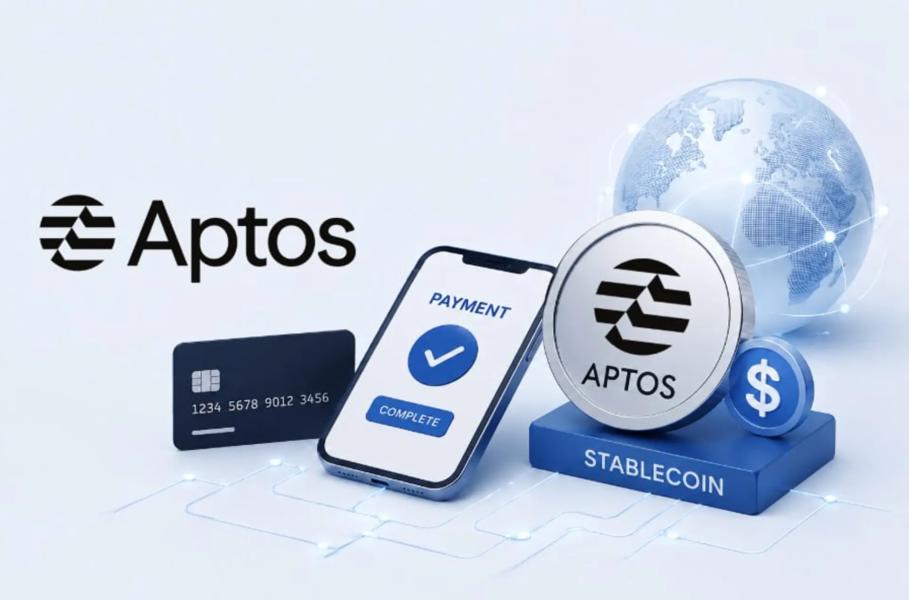
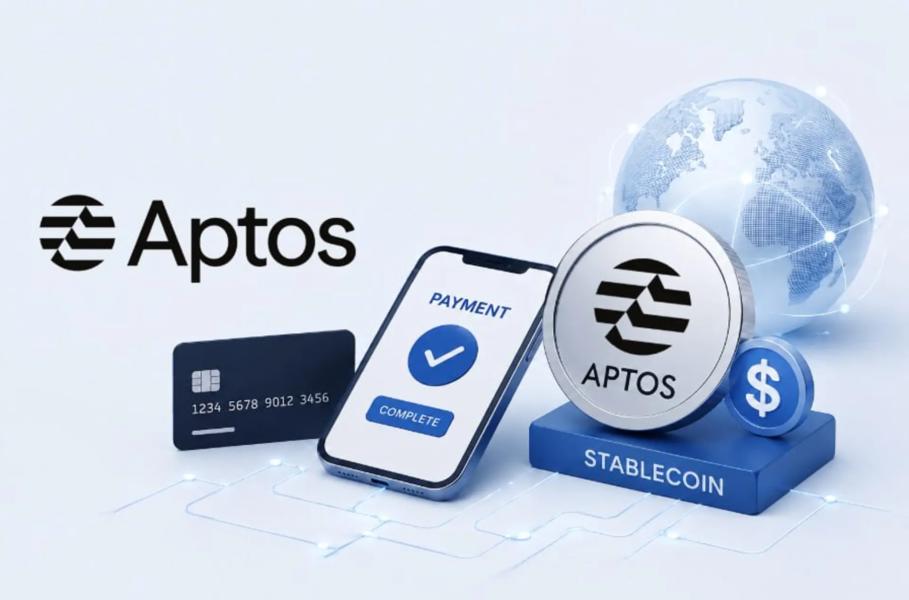
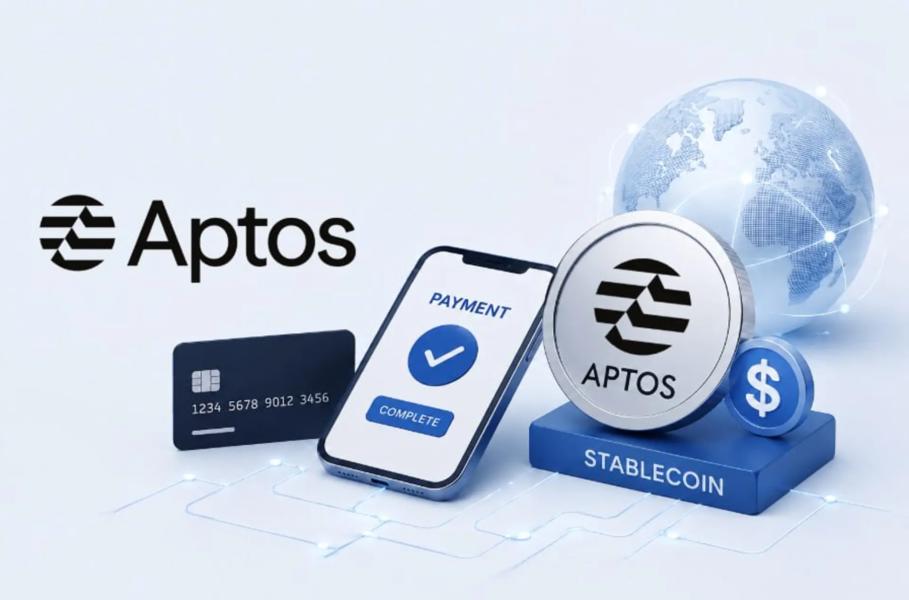
Aptos (APT) is expanding its use in the real economy, including commerce, payments, and real-world assets (RWA). It has been adopted by Lotte Group's ticket and voucher platform, the stablecoin OUSD, and BlackRock's RWA fund, earning praise for its fast and stable network.
Aptos blockchain is expanding into real-world use cases beyond finance, including commerce, payments, and RWAs. Major companies like Lotte Group, Visa, Mastercard, Stripe, and BlackRock are leveraging Aptos for ticketing, digital vouchers, stablecoins, and tokenized assets.
Aptos is expanding its use cases into the commerce sector, including tickets and digital vouchers, as well as stablecoins and real-world assets (RWA). Lotte Group affiliate Daehong Communications has launched an Aptos-based ticket and voucher platform, and OpenUSD, BlackRock, and Franklin Templeton are also utilizing Aptos.
Polygon Foundation announces an increase in Polygon Chain staking rewards to 7.7% starting October 1. This boost, funded by accumulated priority fees, aims to incentivize stakers.
Over 12.4 million XRP has been stolen from D'CENT wallets, with some funds moved to BTC and ETH. Additionally, Brazil will require reporting of self-custody wallet transactions over $10,000, and Polygon plans to increase POL staking rewards. A wallet estimated to belong to BlackRock withdrew large amounts of BTC and ETH from Coinbase.
Polygon is pushing to temporarily increase the POL staking reward rate to 7.7% per year for two months, starting from October 1st. Instead of issuing new tokens, it will utilize priority fees generated within the network, and the future fee distribution method will be decided through community discussion.
Polygon co-founder Sandeep Nailwal claimed that POL is undervalued and revealed plans to burn 100 million POL. This involves permanently burning POL accumulated from transaction fees, which has been deployed on the testnet and is awaiting mainnet implementation. Nailwal pointed out that POL's annualized fee multiple relative to its FDV is lower than that of other projects.
Polygon co-founder Sandeep believes POL is undervalued. The community has burned 100M POL, with another 25M pending. Perpetual contracts launched on Polygon, and future upgrades aim for 1ms confirmation times and increased transaction capacity.
Polygon's co-founder has proposed a plan to burn an additional 25 million POL tokens and achieve 1-millisecond on-chain confirmation. The specific timing for execution has not yet been disclosed.
The US Federal Reserve has released two stablecoin regulation proposals, and US spot Bitcoin and Ethereum ETFs continued to see net inflows. Polygon's price rose after burning 100 million POL, and Solana's AlpenGlow upgrade was applied to the testnet. Various other news included the SingularityNET hack, Brazil's regulation of virtual asset remittances, Paxos launching a gold-backed token, Bullish and Equinix forming a tokenized stock alliance, USDC issuing new tokens on Solana, and the unveiling of the Shielded Bitcoin design.