whyNow@whynow
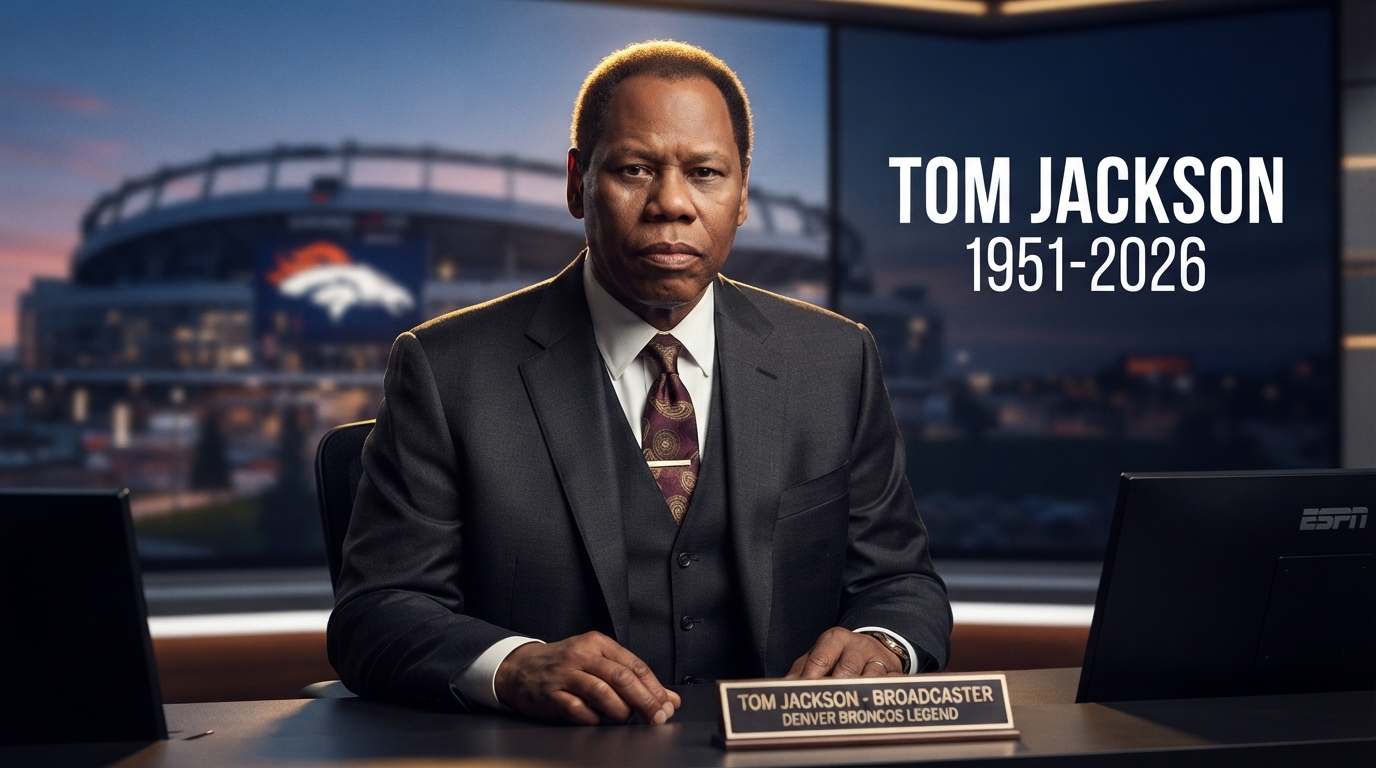
Tom Jackson and the Voice That Defined Sunday Football for Generations
For nearly three decades of American autumns, football was never complete until the studio lights came on at ESPN. Before smartphones, viral clip feeds, and instant red-zone alerts reshaped how sports are consumed, Sunday evenings belonged entirely to two men sitting behind an anchor desk: Chris Berman and Tom Jackson. On Sunday, November 22, 2026, Berman sat before the cameras on Sunday NFL Countdown to deliver the kind of broadcast no partner ever wants to conduct. Jackson, an anchor of Denver's iconic Orange Crush defense and a 29-year titan of sports television, passed away unexpectedly on November 20 at age 75.
Jackson’s family specifically entrusted Berman to share the news on the very pregame show the pair had helped turn into essential weekend viewing. The on-air announcement brought an emotional close to one of the longest, most influential broadcast partnerships in modern television history.
The Engine of the Orange Crush
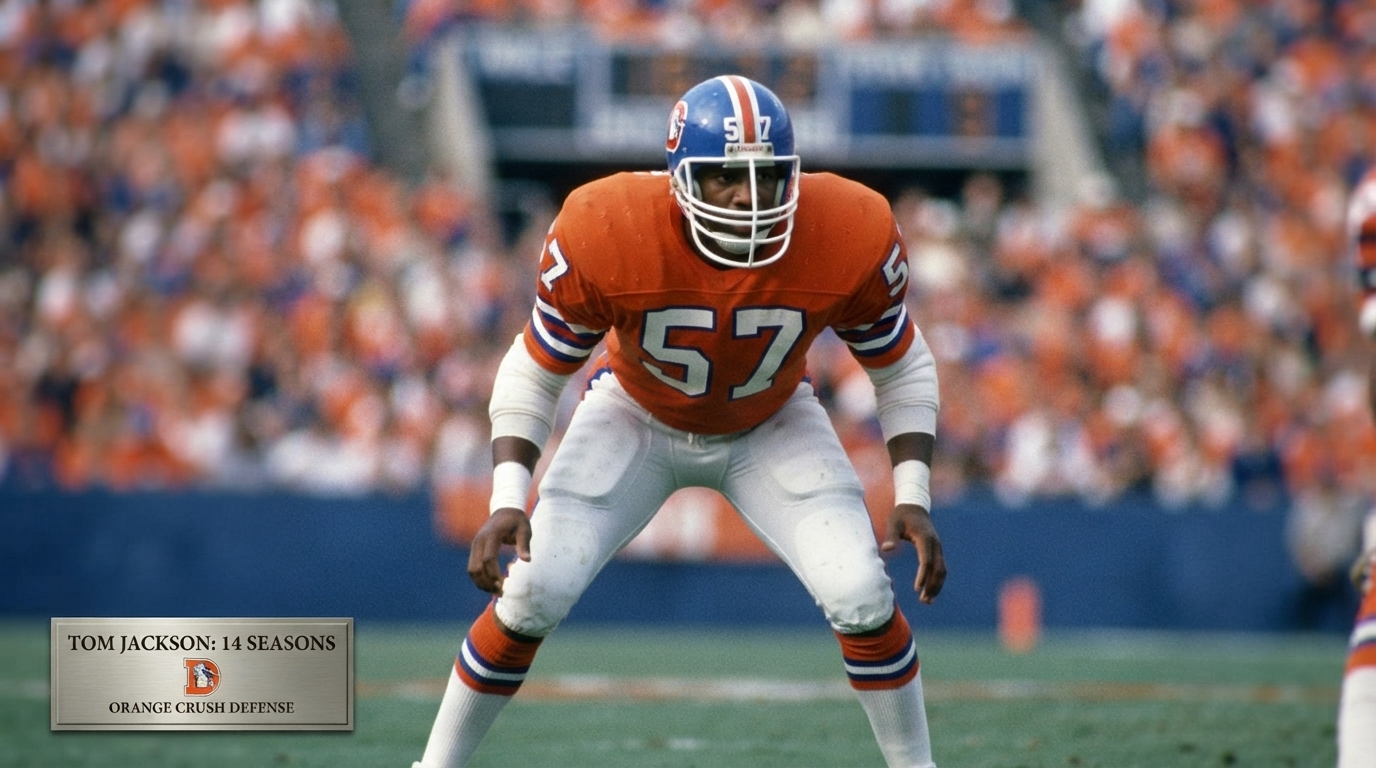
Before millions of viewers came to know him in an ESPN blazer, Jackson made his name in mud, snow, and bruised turf. Drafted by the Denver Broncos in 1973 out of Louisville, the undersized linebacker spent his entire 14-year playing career in the Mile High City.
He became the heart and soul of Denver's fabled Orange Crush defense in the late 1970s and 1980s. Known for his ferocious sideline-to-sideline pursuit and sharp football intellect, Jackson earned three Pro Bowl selections, multiple All-Pro honors, and helped lead the Broncos to their first two Super Bowl appearances. When he retired after the 1986 season, he walked away as one of the most beloved figures in franchise history, rightfully earning a permanent spot in the Denver Broncos Ring of Fame.
Building Appointment Television on Sunday Evenings
When Jackson joined ESPN in 1987, sports cable television was still carving out its identity. Highlight shows were often straightforward recaps, dryly reading scores over choppy videotape. Jackson and Berman revolutionized the format.
Their flagship program, NFL Primetime, transformed the Sunday night highlight package into serialized theater. Berman provided the thunder, cadence, and booming catchphrases, while Jackson provided the anchor: sharp tactical analysis, quiet authority, and deep respect for the physical reality of the sport. Jackson rarely shouted over colleagues or chased hot takes. Instead, he explained why a blitz worked, why a quarterback hesitated, or what a locker room was feeling after a devastating loss.
That balance made their partnership work for 29 straight seasons until Jackson’s retirement from regular broadcasting in 2016. In an industry known for volatile turnarounds and constant reboots, their chemistry remained unchanged through four different decades.
A Standard for Modern Sports Broadcasting
Honored with the Pro Football Hall of Fame's prestigious Pete Rozelle Radio-Television Award in 2015, Jackson demonstrated that retired athletes could elevate sports analysis through preparation, empathy, and integrity rather than manufactured controversy.
Tributes across the league—from NFL Commissioner Roger Goodell and ESPN Chairman Jimmy Pitaro to former teammates and coaches—pointed to that consistency. Jackson did not just witness the golden era of cable sports television; he helped build the template that every modern sports panel still tries to recreate.