
whyNow@whynow
Singtel’s 33-Year Discount Share Era Ends: What the Massive CDP Migration Means for 406,000 Investors
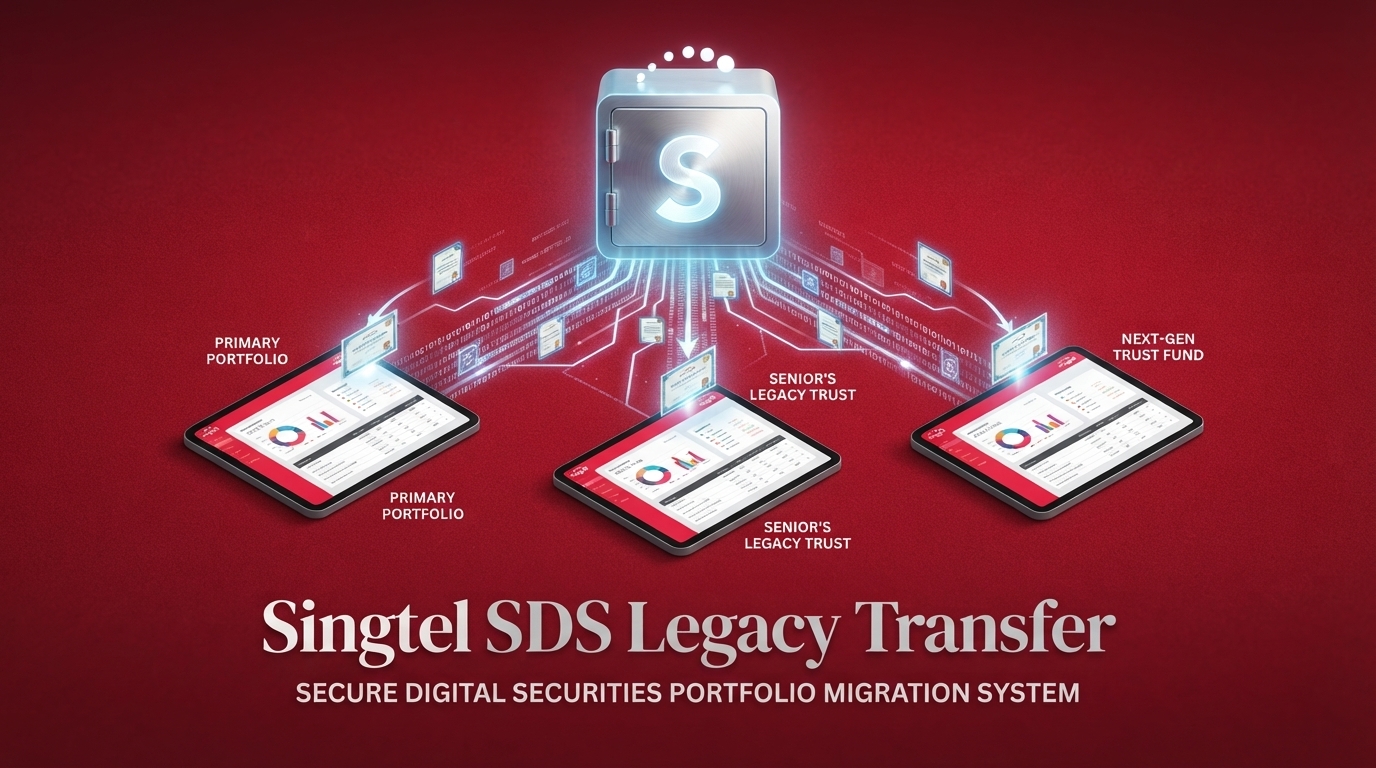
Singapore’s longest-running national share-ownership experiment has officially crossed the finish line. Over the weekend of November 21, 2026, the Central Provident Fund (CPF) Board and Singtel completed the transfer of 477 million Special Discounted Shares (SDS) directly into the Central Depository (CDP) accounts of roughly 406,000 individuals. With that systemic update, the CPF Board formally concluded its three-decade role as trustee, handing full, unmediated ownership of the country's telecom flagship to individual citizens.
To understand why this handover touches hundreds of thousands of households, look back to 1993. When the government privatized Singapore Telecom, it conceived the Special Discounted Shares scheme as a cornerstone of nation-building capitalism. The goal was to give ordinary Singaporeans a tangible stake in the nation's rapid economic development by allowing them to buy deeply discounted shares with their CPF retirement balances. Because retail trading infrastructure was sparse for average wage earners in the early nineties, the state stepped in as caretaker: the CPF Board held the shares in trust, collecting dividends and managing administrative duties on behalf of citizen-shareholders.
By the time the government introduced the Central Provident Fund (Amendment) Bill in April 2026, the retail investing landscape had matured beyond recognition. Modern digital brokerages and widespread financial literacy had made the old trustee structure obsolete. When Singtel and authorities began the unwinding exercise in April, nearly 615,000 people still held SDS. Roughly three in five of them already maintained individual CDP accounts, and a quarter owned additional Singtel ordinary shares outright.
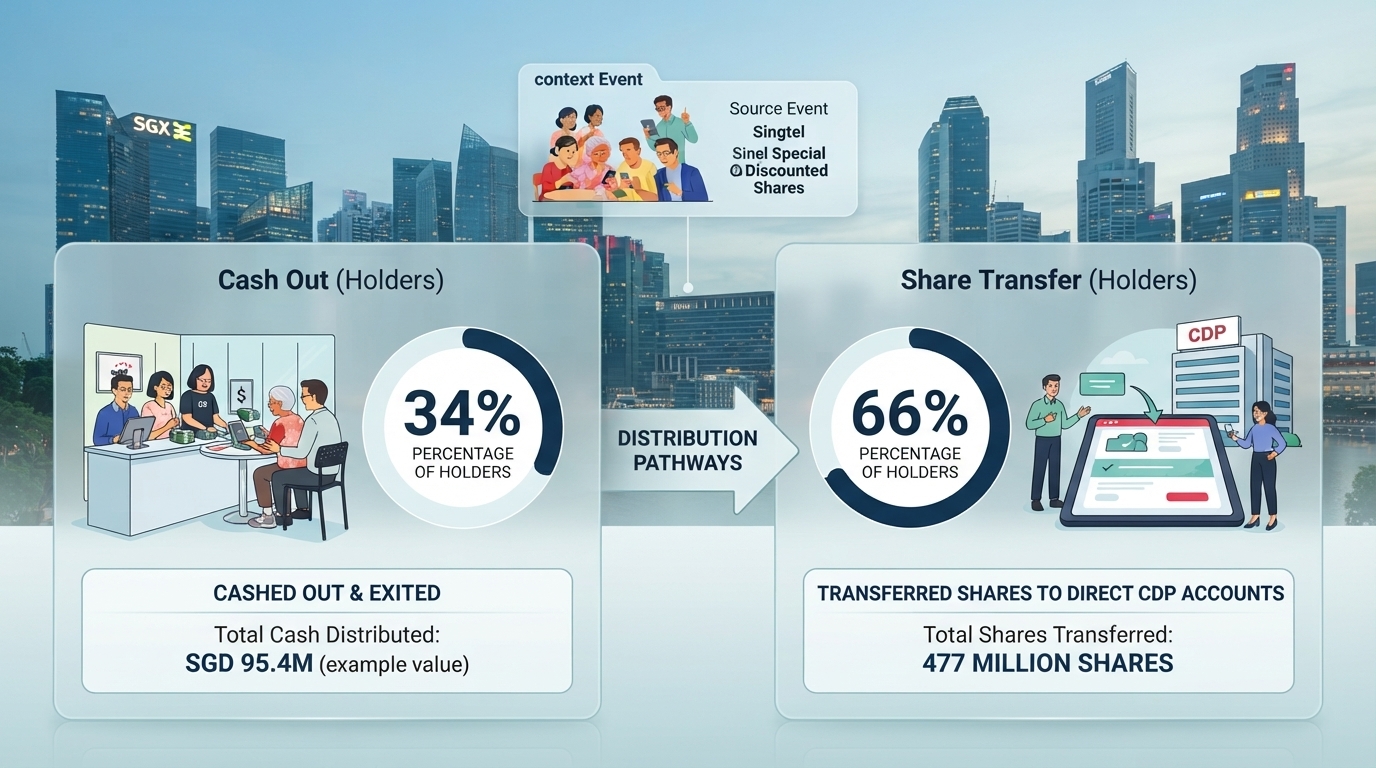
Faced with the conclusion of the legacy scheme, investors had two distinct paths: cash out or embrace direct portfolio management. Authorities facilitated the choice by waiving ordinary CPF withdrawal restrictions, enabling those who opted to sell to pocket cash proceeds directly into their bank accounts rather than having funds locked back into their CPF Ordinary Accounts. About 209,000 holders, representing 34% of the total base, decided to take their money and exit before the November deadline. The remaining two-thirds—approximately 406,000 investors—opted to keep their holdings, leading to the migration of 477 million shares.
Singtel Group Chief Financial Officer Arthur Lang noted that concluding the transfer provides the company with greater flexibility to execute corporate actions, allocate capital, and engage its shareholder base directly. For shareholders, having their discounted shares consolidated alongside ordinary shares in personal CDP accounts means they now exercise direct voting rights and manage dividends just like any other publicly traded asset.
Confirmation letters from Singtel, the CPF Board, and the CDP are slated to reach mailboxes by mid-December 2026. Because many original SDS holders acquired their stakes decades ago and are now seniors, authorities pair the milestone with a sharp warning against phishing campaigns. Since the transfer happened automatically on the ledger, genuine agencies will never send unexpected text messages or QR codes asking investors to verify passwords or pay fees to secure their shares.
