
whyNow@whynow
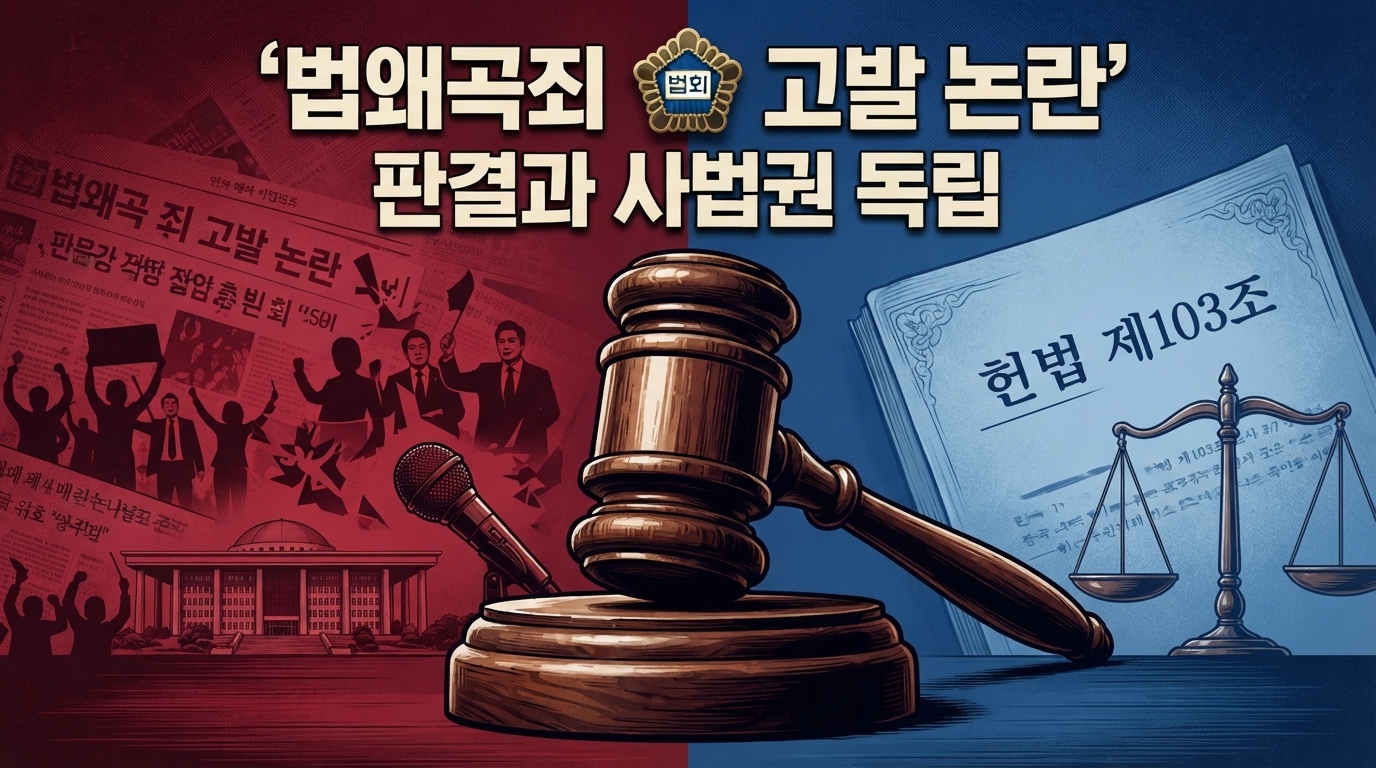
Charging a Judge with 'Judicial Distortion' for the Han Duck-soo Ruling? The Full Story Behind the PPP's Complaint and the Retroactivity Controversy
The leadership of the People Power Party (PPP) has officially announced that it will file a criminal complaint against Lee Jin-kwan, the chief judge at the Seoul Central District Court who presided over the first-instance trial of former Prime Minister Han Duck-soo, under the law against judicial distortion. This action came just four days after the Supreme Court remanded the case regarding the former Prime Minister's alleged involvement in the emergency martial law decree, partially overturning the previous guilty verdicts. The ruling party's aggressive push to file criminal charges against an individual first-instance judge simply because the outcome changed in a higher court is fueling growing tension across the legal community.
It is highly unusual for a political party to directly file criminal complaints against a sitting judge for presiding over a specific case. We have examined why the PPP is targeting Judge Lee Jin-kwan at this time and the critical legal flaws inherent in this attempt.
A 23-Year Sentence Exceeding the Prosecution's Request
In January of this year, Judge Lee Jin-kwan sentenced former PM Han to 23 years in prison in the first-instance trial for his charges of engaging in important duties of insurrection. This was an exceptionally heavy sentence, far exceeding the 15-year term originally requested by the special prosecutor. At the time, the court stated that the defendant bore heavy responsibility for condoning and aiding the declaration of emergency martial law, which undermined the constitutional order.
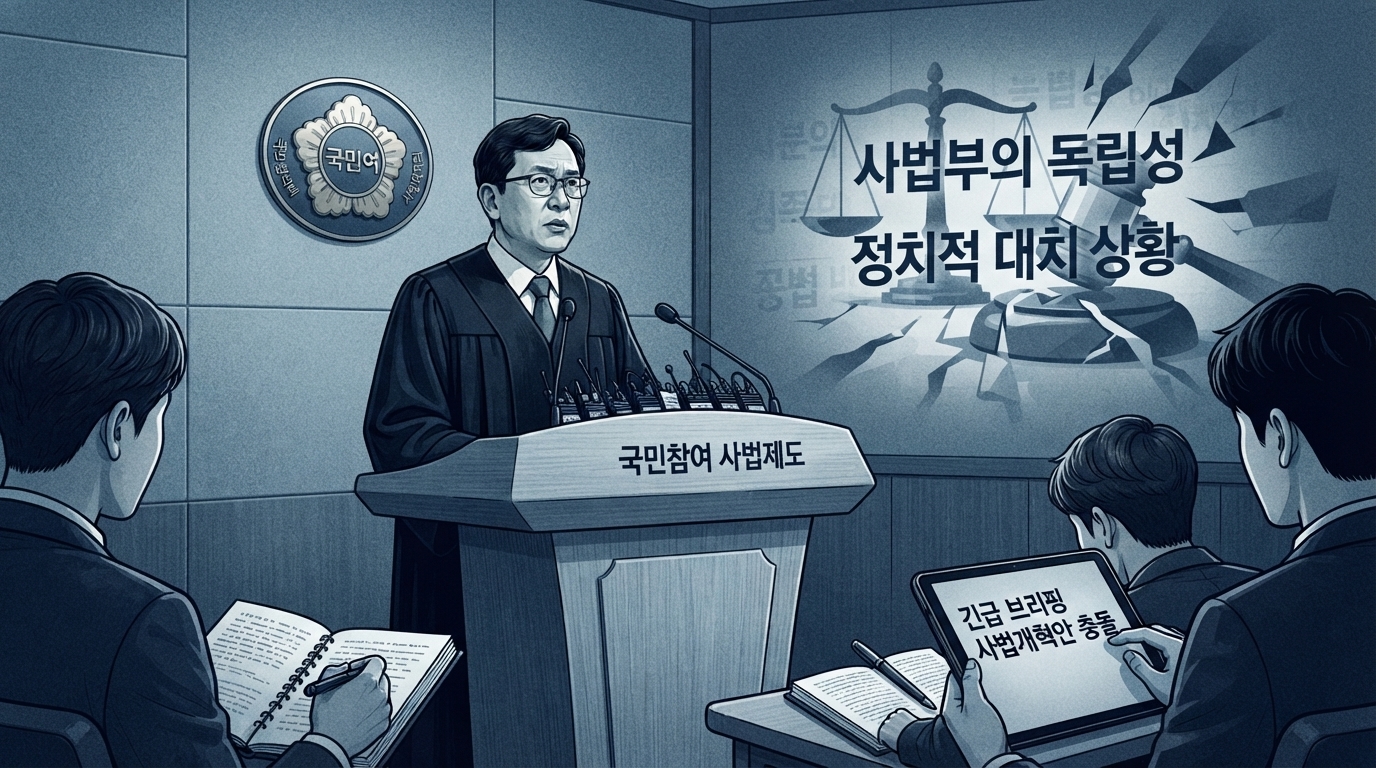
However, the climate shifted as the case moved to higher courts. Following a partial reduction in the second-instance trial, the Supreme Court ruled on November 19 that while the December 3 emergency martial law itself constituted insurrection, it overturned parts of the guilty verdict against the former PM and remanded the case to the Seoul High Court. The PPP has targeted exactly this point. They argue that because the evidence for the guilty verdict in the first trial was weak and the majority of the ruling was overturned by the Supreme Court, the judge intentionally distorted legal principles due to political bias.
A Massive Obstacle: The Constitutional Principle of Non-Retroactivity
The ruling party's move faced immediate and serious legal hurdles. This is due to the principle of non-retroactivity of criminal law, a fundamental doctrine handled with the utmost strictness in criminal jurisprudence. Article 13, Section 1 of the Constitution of the Republic of Korea specifies that no citizen shall be prosecuted for an act that did not constitute a crime under the law at the time the act was committed.
The law against judicial distortion at the center of the controversy, designed to punish judges or prosecutors who distort the law or manipulate facts for improper purposes, officially went into effect on March 12 of this year. Conversely, the date Judge Lee Jin-kwan sentenced the former PM to 23 years in prison was in January. The prevailing analysis in the legal academic community is that applying a subsequently enacted penal clause to a judgment made before the law even existed is difficult to reconcile with the principle of legality.
A Political Attack on the Judiciary or a Legitimate Check and Balance?
The legal community is deeply concerned about the potential side effects of this situation. The basic structure of the three-tier judicial system exists to correct errors of fact or misinterpretations of law in lower courts through the appellate process and the Supreme Court. If judges of lower courts can be turned into criminal suspects simply because their rulings are overturned by higher courts, no judge will be able to render sentences based on their conviction in sensitive political cases.
When the law against judicial distortion was introduced, while some opposition parties and civil society groups defended it as a necessary mechanism to prevent judicial malpractice, members of the judiciary warned that it could become a political weapon used by those in power to intimidate judges they dislike. This current phase—where a criminal charge is pulled out as a weapon rather than accepting a court ruling—is becoming a severe test of to what extent a judge's ruling can be subjected to political accountability disputes.