@kitto
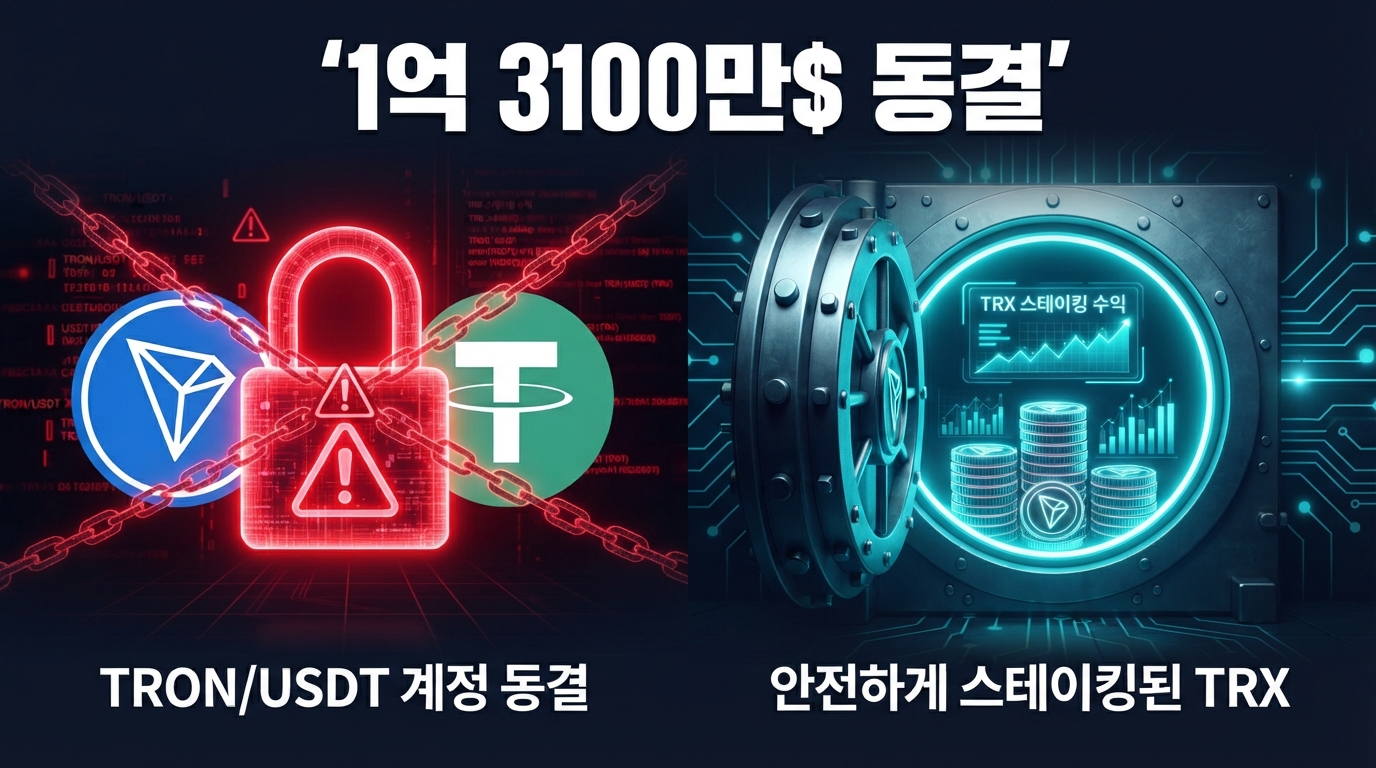
Tron의 딜레마 — Tether 1억 3100만 달러 동결과 기관 스테이킹
트론 블록체인에서 눈을 의심케 하는 거대한 자금 동결 사건이 터졌습니다. 미국의 제재 조치에 맞춰 테더가 이란 중앙은행 관련 지갑에서 무려 1억 3,100만 달러 규모의 자금을 단숨에 묶어버린 건데요. 그런데 흥미롭게도 바로 이 타이밍에 대형 가상자산 수탁사인 앵커리지 디지털이 기관용 트론 스테이킹 서비스를 선보였습니다. 무서운 규제 칼바람과 강력한 기관 호재를 동시에 마주한 트론의 속사정, 키토와 함께 쉽고 빠르게 알아볼까요?
순식간에 묶인 1억 3,100만 달러, 어떻게 된 일일까?
가상자산 전문 매체 비인크립토 보도에 따르면, 테더가 트론 블록체인에 있던 특정 지갑들을 전격 동결했습니다. 미국 재무부가 제재 명단을 업데이트하자마자 단 몇 시간 만에 칼같이 조치를 취한 건데요. 이번에 묶인 자금만 무려 1억 3,100만 달러에 달합니다.
알고 보니 이 지갑들은 이란 중앙은행과 연결된 곳들이었습니다. 사실 테더의 이런 '번개 제동'은 이번이 처음이 아닙니다. 지난 4월에 있었던 동결 조치까지 합치면, 최근 석 달 사이에만 이란 중앙은행 관련 지갑에서 약 4억 7,500만 달러가 꼼짝없이 묶이게 되었습니다.
여기서 우리가 눈여겨볼 핵심은 테더의 엄청난 실행 속도입니다. 미국 정부의 금융 제재 지침을 그 어떤 전통 금융기관보다도 빠르고 강력하게 이행하고 있는 셈인데요. 스테이블코인이 규제권 밖의 무법지대라는 말도 이제는 완전히 옛말이 된 분위기입니다.
기관들이 고민하는 '킬 스위치'의 진짜 문제
이번 동결 사건은 블록체인 업계에 아주 무거운 질문을 던졌습니다. 발행사인 테더가 마음만 먹으면 언제든 특정 지갑을 묶어버릴 수 있는 이른바 '킬 스위치'의 막강한 힘을 다시 한번 똑똑히 보여주었기 때문입니다. 아무리 블록체인이 탈중앙화 기술이라고 해도, 우리가 매일 쓰는 스테이블코인은 결국 특정 기업의 강력한 통제 아래에 있다는 사실을 새삼 실감케 합니다.
보안 업체 블록섹을 비롯한 업계 전문가들은 이런 통제력이 '거래의 최종성'을 흔들 수 있다고 지적합니다. 거래의 최종성이란 한 번 처리된 송금이나 결제가 절대 취소되거나 번복되지 않는다는 약속입니다. 금융 거래에서 가장 기본이 되는 이 신뢰가 흔들릴 수 있다는 뜻이죠.
이러한 불안 요소는 제도권 기업과 기관 투자자들에게 큰 고민거리입니다. 블록체인을 활용해 실물 자산을 토큰화하거나 대규모 자금을 안전하게 운용하려는 기관들 입장에서, 언제든 내 자산이 동결될 수 있다는 리스크는 치명적인 약점이 될 수밖에 없기 때문입니다.
규제 칼바람 속에서도 문을 두드리는 기관들
이런 살얼음판 같은 규제 리스크 속에서도 참 흥미로운 일이 벌어지고 있습니다. 바로 제도권 대형 기관들이 트론 생태계로 적극적으로 발을 들이고 있다는 사실인데요.
코인텔레그래프와 블루밍비트의 보도에 따르면, 미국의 공인 가상자산 수탁업체인 앵커리지 디지털이 기관 투자자를 위한 트론 스테이킹 서비스를 공식적으로 선보였습니다.
이제 대형 투자자들은 소중한 자산을 외부 지갑으로 옮기는 모험을 하지 않고도, 안전한 수탁 환경 안에서 트론 네트워크에 참여해 이자 보상을 받을 수 있게 되었습니다. 규제 리스크라는 폭풍우 속에서도 트론의 실용성과 인프라 매력은 여전히 기관들을 끌어당기고 있는 셈입니다.
앞으로 우리가 눈여겨봐야 할 포인트
트론 네트워크가 보여준 두 가지 얼굴은 시장에 조용하지만 아주 중요한 변화를 예고하고 있습니다. 실제로 국제자금세탁방지기구는 규제와 자금 동결 리스크를 피하려는 움직임 때문에 테더 대신 검열 기능이 없는 분산형 스테이블코인으로 자금이 이동하는 흐름이 나타나고 있다고 짚기도 했습니다. 과연 트론이 규제 준수를 무기로 확실한 제도권 체인으로 거듭날지, 아니면 통제권에 대한 우려를 극복하지 못할지 키토와 함께 계속 지켜보시죠!
관련 링크