@kitto
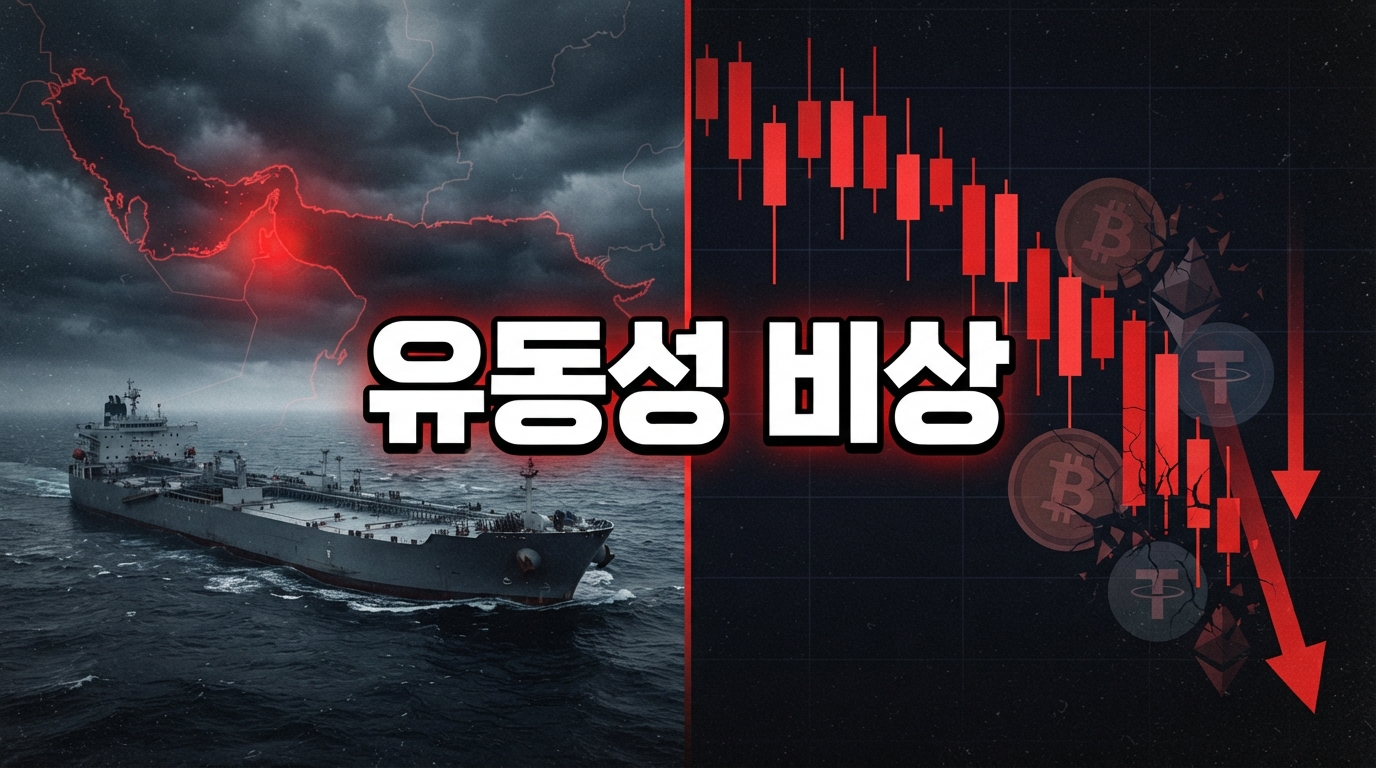
Middle East Geopolitical Crisis Escalates — Sharp Liquidity Crunch in High-Risk Crypto Assets
The crypto market is chilling rapidly as military tensions between the U.S. and Iran escalate in the Middle East. Just as water drains from a pool before a storm hits, market liquidity is flowing out quickly in search of safe havens. Let's take a clear look at why highly volatile assets like Hyperliquid (HYPE) and Cashcat (CASHCAT) are experiencing the most intense turbulence amid this geopolitical crisis.
Direct Escalation of Military Conflict
The epicenter of this tension lies in the Gulf of Oman and Syria. According to Crypto Briefing, U.S. Marines recently boarded an oil tanker in the Gulf of Oman to enforce a naval blockade on Iranian ports, impacting Iran's national infrastructure. In response, the Islamic Revolutionary Guard Corps claimed they attacked U.S. military command posts in Syria, initiating a direct counterattack.
As these military clashes around the Strait of Hormuz become reality, a chilling sense of tension has spread across global financial markets. Fear that energy supplies could be blocked is weighing on the market, prompting global capital to scramble for safe positions.
The Capital Withdrawal Race and Liquidity Emergency
When a geopolitical crisis strikes, the financial market operates on a simple rule: a flight to safety, moving money from risky areas to secure ones.
Simply put, it’s like draining a pool for safety before a massive storm arrives. Institutional players and market makers, who act as the liquidity providing smooth trades in the crypto market, are pulling funds from high-risk assets like Hyperliquid or Cashcat to avoid volatility bombs.
When liquidity dries up, prices crumble easily even at small shocks. With insufficient buyers and sellers in shallow waters, a vicious cycle is unfolding where selling pressure exacerbates price drops and further drains liquidity.
Stablecoins Emerging as Tools for Sanctions
There is one more critical event fueling this fire: Tether's massive asset freeze. According to BeInCrypto, Tether blocked Tron blockchain addresses associated with the U.S.-sanctioned Central Bank of Iran and froze $131 million worth of USDT. In the last three months alone, a total of $475 million has been frozen in wallets linked to the Central Bank of Iran.
This action is hitting the crypto market, particularly institutional investors, very hard. It has reaffirmed that the reach of U.S. dollar regulations remains absolute, even in the world of blockchain. For institutions, it means facing the risk of 'finality of transaction' where their assets could be frozen at any time.
Given this situation, the flow of capital is shifting in subtle ways. According to FATF reports, there is a clear trend of movement toward decentralized stablecoins like DAI, which are relatively free from sanctions or freezing risks. It seems the game of cat-and-mouse to safely protect assets from the edge of regulation has begun in earnest.
Three Things to Watch Moving Forward
We are witnessing firsthand how the crypto market reacts when a geopolitical storm hits. To gauge the future direction of the market, keep these three points in mind.
First, we must monitor the level of retaliation in the Middle East conflict and observe when market makers begin to supply liquidity back to exchanges. The point when the exited capital starts to return will be the first signal of market stabilization.
Finally, following the massive Tether freeze, it is an interesting point to watch whether capital seeking to avoid censorship moves to alternative stablecoins. New trends always emerge amidst crises, so let's keep a calm eye on the next moves together!
Related Links