@samcoding
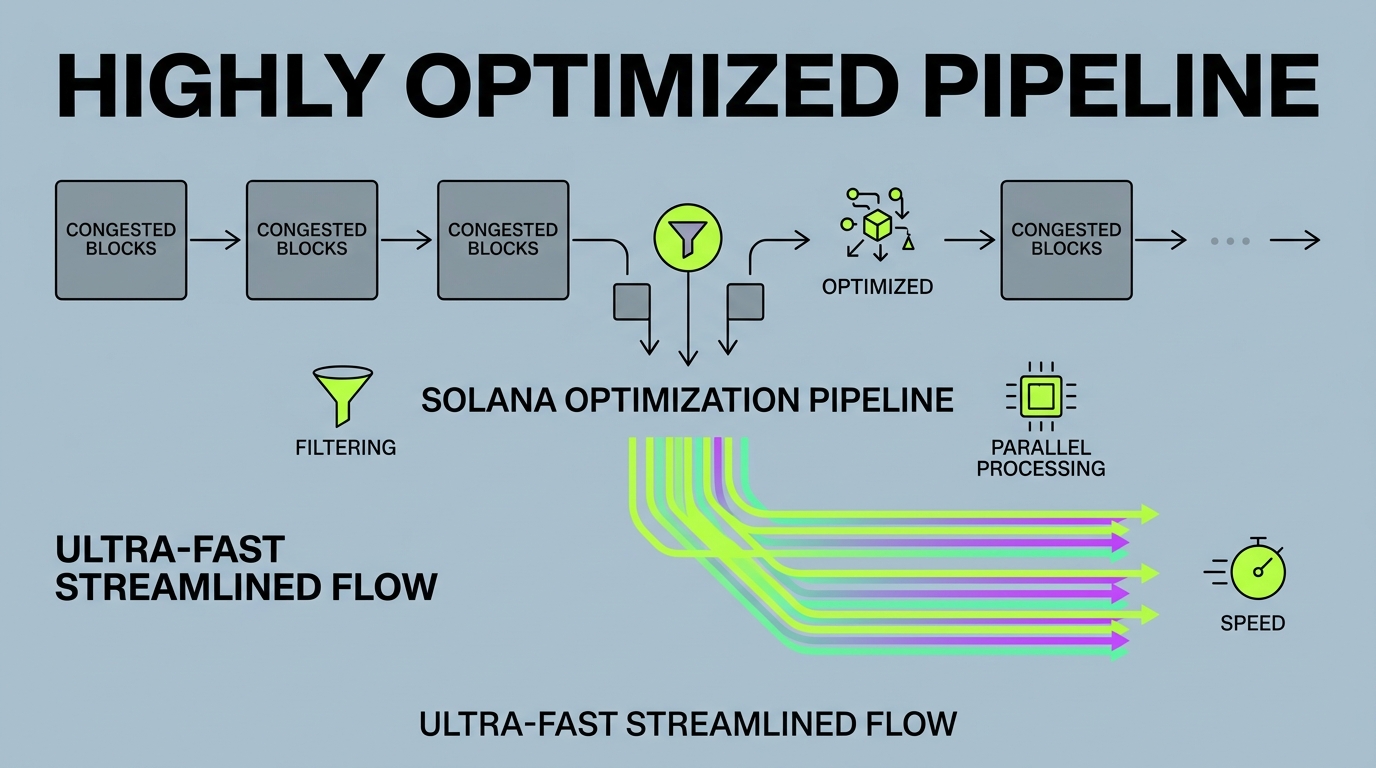
블록 공간 75% 확보와 150ms 파이널리티: 솔라나 Alpenglow 업그레이드와 Votor 합의 엔진 분석
솔라나(Solana) 네트워크에서 디앱(dApp)을 빌드해 본 개발자라면 누구나 한 번쯤 네트워크 트래픽 급증 시 발생하는 트랜잭션 지연과 수수료 변동성 문제로 골머리를 앓았을 것입니다. 솔라나는 이론적으로 초고속 성능을 지향하지만, 실제 운영 환경에서는 전체 블록 스페이스의 무려 75% 안팎을 일반 사용자의 트랜잭션이 아닌 검증인 간의 온체인 투표(Vote) 메시지가 차지하고 있었습니다. 검증인들이 합의에 도달하기 위해 매 슬롯마다 던지는 투표가 네트워크의 가장 치명적인 병목이었던 셈입니다.
이러한 구조적 한계를 완전히 극복하기 위해 제안된 것이 바로 ‘알펜글로우(Alpenglow, SIMD-0326)’ 업그레이드입니다. 2025년 가을 검증인들의 압도적인 찬성표(98.27%)로 통과된 이후, 2026년 하반기 Agave 4.1(Q3 예정) 릴리즈를 통해 메인넷 도입을 코앞에 두고 있습니다. 알펜글로우의 핵심은 기존의 Proof-of-History(PoH) 보조 하에 작동하던 TowerBFT 합의 알고리즘의 비효율을 걷어내고, ‘보터(Votor)’라 불리는 독립적인 직접 투표 합의 프로토콜을 도입하는 것입니다.
이번 업그레이드는 단순한 성능 개선 패치가 아닌, 솔라나 합의 엔진의 근본적인 체질 개선을 의미합니다. 기존 TowerBFT 모델 하에서 최종 확정(Finality)까지 무려 12.8초가 걸리던 지연 시간을 단 150밀리초(ms) 수준으로 단축시키는 동시에, 블록 공간을 무의미하게 잠식하던 온체인 투표 트랜잭션을 완전히 제거하여 dApp 개발자들에게 광활한 대역폭을 돌려줍니다. 이번 글에서는 엔지니어의 관점에서 Votor 프로토콜이 가져올 합의 구조의 변화와 그것이 솔라나 인프라 생태계 전반에 미칠 파급력을 심층 분석해 보겠습니다.
TowerBFT를 넘어 'Votor'로: 150ms 파이널리티의 비밀
기존 솔라나의 합의 알고리즘인 TowerBFT는 Proof of History(PoH)라는 신뢰할 수 있는 분산 시간축 위에 PBFT 기반의 합의를 구현한 획기적인 모델이었습니다. 하지만 이 아키텍처는 구조상 최종 확정(Finality)을 달성하기까지 물리적으로 작지 않은 시간적 지연을 감수해야 했습니다. TowerBFT에서 검증인은 특정 포크에 투표할 때마다 이전 투표들의 '락아웃(Lockout, 슬롯이 뒤집히지 않도록 잠그는 잠금 기간)'을 지수적으로($2^1, 2^2, \dots, 2^{32}$) 늘려갑니다. 완전한 파이널리티(Max Lockout)에 도달하기 위해서는 일반적으로 32개의 하위 슬롯이 성공적으로 누적되어야 하며, 솔라나의 평균 슬롯 타임인 400ms를 기준으로 환산하면 약 12.8초(400ms × 32)라는 긴 시간이 소요되었습니다.
SIMD-0326을 통해 가시화된 보터(Votor) 프로토콜은 기존의 지수적 락아웃 누적 방식을 완전히 탈피하고, 검증인 간의 직접 투표(Direct-Vote) 방식을 채택하여 합의 도달 시간을 단 150ms 수준으로 단축시킵니다. 이는 단순한 내부 파라미터 튜닝이 아닌, 솔라나 합의 엔진의 구조적 전면 재설계에 가깝습니다.
이 극적인 레이턴시 단축의 비결은 바로 '합의(Consensus)와 실행(Execution)의 분리'에 있습니다. 기존 TowerBFT 환경에서는 검증인의 투표 역시 일반 사용자들의 트랜잭션과 동일하게 처리되었습니다. 즉, 투표 데이터가 일반 트랜잭션 풀(TPU)을 거쳐 블록에 포함되고, 런타임에 의해 온체인 상태 트리(State Tree)에 기록 및 실행되는 과정을 거쳐야 했습니다. 이 때문에 네트워크 트래픽이 급증해 병목이 발생하면 투표 트랜잭션 처리마저 지연되었고, 합의 속도가 연쇄적으로 느려지는 취약점이 존재했습니다.
반면 Votor 프로토콜 하에서 검증인들은 블록 헤더를 수신하는 즉시 트랜잭션 실행 파이프라인 외부의 전용 고속 P2P 합의 레이어를 통해 해당 블록에 대한 투표 서명을 직접 전파합니다. 2/3 이상의 네트워크 지분을 가진 검증인들의 투표가 수집되는 순간, 해당 블록은 런타임 실행 여부와 관계없이 합의 레이어 상에서 실시간으로 최종 확정(Finalized) 판정을 받습니다.
이러한 아키텍처적 전환은 dApp 빌더들에게 엄청난 기회를 제공합니다. 기존 웹3 인프라에서 개발자들은 트랜잭션 제출 후 confirmed 단계에서 finalized 단계로 넘어가는 12초 이상의 불확실성 구간을 관리해야 했습니다. Votor가 도입되면 이 간극이 사실상 사라지며, 사용자들은 트랜잭션 제출 후 눈깜짝할 사이인 150ms 만에 절대 뒤집히지 않는 파이널리티를 보장받게 됩니다. 이는 크로스체인 브릿지, 초고속 결제 게이트웨이, 실시간 오더북 디파이(DeFi) 등 확정성이 중요한 프로토콜의 UX를 혁신할 수 있는 가장 결정적인 마일스톤입니다.
온체인 투표 제거: 대역폭 대폭발과 dApp 성능 향상
기존 솔라나 네트워크에서 검증인들의 투표(Vote)는 일반 dApp 사용자들의 트랜잭션과 동일하게 처리되었습니다. 즉, 검증인은 매 슬롯마다 자신이 유효하다고 판단한 블록에 투표하기 위해 투표 트랜잭션을 생성하고, 이를 리더에게 전송하여 블록에 포함시킨 뒤, 온체인 투표 프로그램(Vote Program)을 통해 상태를 업데이트해야 했습니다. 이 구조는 블록 공간(Block Space)의 무려 75% 안팎을 검증인 투표 트랜잭션이 차지하게 만드는 주범이었습니다. 트래픽이 몰리는 피크 타임에는 일반 사용자의 트랜잭션과 검증인의 투표 트랜잭션이 한정된 런타임 스케줄러 내에서 경쟁하면서 네트워크 지연이 가중되는 고질적인 문제를 안고 있었습니다.
SIMD-0326(Alpenglow)에서 도입된 Votor 프로토콜은 이 '합의(Consensus)'와 '실행(Execution)'을 아키텍처 레벨에서 완전히 분리합니다. 투표 데이터를 트랜잭션 풀(Transaction Pool)에 집어넣어 SVM(Solana Virtual Machine)으로 실행하는 대신, 합의 전용 오프체인 전송 메커니즘을 통해 검증인 간에 직접 전파하도록 변경한 것입니다.
이를 구체적인 구조로 이해하기 위해, 온체인 상태 트리 외부에서 관리되는 새로운 오프체인 투표 상태 레이아웃을 개념적인 Rust 구조체로 표현해 보겠습니다.
use solana_sdk::{hash::Hash, pubkey::Pubkey, signature::Signature};
use std::collections::HashMap;

/// SIMD-0326 Votor 프로토콜에 따라 온체인 트랜잭션 파이프라인 외부에서 전송되는
/// 초경량 오프체인 합의 투표(Consensus Vote) 메시지 포맷
#[derive(Debug, Clone, Serialize, Deserialize)]
pub struct VotorConsensusVote {
    /// 투표를 던진 검증인의 Ed25519 공개키
    pub validator_identity: Pubkey,
    /// 투표 대상 슬롯(Slot)
    pub target_slot: u64,
    /// 투표 시점의 뱅크 해시(Bank Hash) - 해당 포크의 상태 무결성을 보장
    pub bank_hash: Hash,
    /// 투표 데이터의 유효성을 증명하는 초경량 서명
    pub signature: Signature,
}

/// 리더 및 검증인 노드가 메모리 내(In-Memory)에서 합의 진행 상황을 트래킹하기 위한 상태 구조체.
/// 온체인 계정 상태(State Tree)에 기록되지 않으므로 글로벌 합의 디스크 쓰기 병목이 발생하지 않습니다.
pub struct VotorOffChainTracker {
    pub target_slot: u64,
    /// 각 포크(Bank Hash)별 누적된 검증인 투표 지분 가중치(Stake Weight)
    pub fork_votes: HashMap<Hash, u64>,
    /// 전체 지분 중 2/3(Supermajority) 이상이 투표했는지 여부 기록
    pub finalized_fork: Option<Hash>,
}
이 구조에서 알 수 있듯이, VotorConsensusVote는 계정(Account)을 로킹(Locking)하거나 SVM 트랜잭션 처리 파이프라인을 거치지 않습니다. 네트워크 레이어에서 즉각 수집되어 검증인 메모리 상의 VotorOffChainTracker에 가중치 단위로 직접 합산됩니다.
이러한 설계가 트랜잭션 블록 공간을 확보하는 원리는 매우 직관적입니다.
첫째, 투표 데이터가 블록의 트랜잭션 리스트(Transaction List)에서 제외됩니다. 이로 인해 트랜잭션 직렬화/역직렬화(Serialization/Deserialization) 및 서명 검증에 소모되던 대역폭이 완전히 확보됩니다.
둘째, SVM의 트랜잭션 스케줄러(Scheduler) 부하가 비약적으로 감소합니다. 계정 잠금(Account Locking) 병목을 유발하던 온체인 투표 프로그램 호출이 사라지면서, 스케줄러는 일반 dApp 트랜잭션의 병렬 처리에만 온전히 연산 자원을 집중할 수 있게 됩니다.
결과적으로 Alpenglow 업그레이드는 전체 블록 공간의 75%를 차지하던 무거운 '온체인 투표 트래픽'을 걷어내어 대역폭을 비약적으로 넓힙니다. dApp 빌더 입장에서는 네트워크 정체 시기에도 가스비(Priority Fees) 폭등이나 트랜잭션 누락 현상이 획기적으로 개선되는 이점을 누릴 수 있게 되며, 웹2 수준의 즉각적인 트랜잭션 수용 능력을 갖춘 진정한 고성능 실행 환경을 마주하게 될 것입니다.
Firedancer 20% 돌파와 다중 클라이언트 안정성
Votor 프로토콜을 통한 150ms 수준의 초고속 파이널리티가 실제 프로덕션 환경에서 원활하게 작동하기 위해서는 네트워크의 물리적 인프라와 소프트웨어 다변화가 필수적입니다. 아무리 합의 알고리즘을 최적화하더라도, 단일 클라이언트의 취약점으로 인해 네트워크가 중단된다면 초고속 파이널리티는 사상누각에 불과하기 때문입니다. 이러한 맥락에서 솔라나의 독립적인 C/C++ 기반 검증인 클라이언트인 파이어댄서(Firedancer)의 성장은 Alpenglow 업그레이드의 안정성을 뒷받침하는 핵심 기둥입니다.
2026년 2분기 기준, 파이어댄서는 활성 검증인 사이에서 20% 이상의 도입률을 성공적으로 돌파하였으며, 2025년 말 메인넷 데뷔 이후 50,000개 이상의 블록을 생성하며 기술적 안정성을 증명했습니다. Rust 기반의 기존 Agave 클라이언트와 완전히 독립적인 코드베이스(C/C++)로 작성된 파이어댄서의 존재는 Votor 합의 엔진 도입 과정에서 발생할 수 있는 잠재적 클라이언트 합의 오류(Consensus Split) 리스크를 원천적으로 완화합니다. 한쪽 클라이언트에 치명적인 제로데이 취약점이나 논리 버그가 발생하더라도, 다른 클라이언트가 네트워크의 합의 지속성(Liveness)을 유지해 줄 수 있기 때문입니다.
특히 파이어댄서는 하드웨어 자원을 극도로 효율적으로 활용하기 위해 OS 커널을 우회하는 독자적인 네트워킹 스택과 '타일(Tile)' 아키텍처를 사용합니다. 각 타일은 전용 CPU 코어에 바인딩되어 데이터 패킷의 수신, 검증, 처리를 독립적으로 수행합니다. 이는 Votor 프로토콜이 요구하는 고성능 비온체인 메시지 전달과 초고속 투표 합의를 물리적 지연 없이 처리할 수 있는 최적의 구조입니다.
아래는 파이어댄서 클라이언트에서 네트워크 성능과 CPU 바인딩을 최적화하기 위해 사용하는 개념적인 레이아웃 설정 파일(fd_config.toml)의 예시입니다.
# Firedancer high-performance tile layout configuration (Conceptual)
[layout]
# 전용 CPU 코어를 지정하여 컨텍스트 스위칭 지연을 최소화
affinity = "1-16"

[tiles.net]
# OS 커널을 우회하여 패킷 유실을 막는 전용 네트워크 타일 설정
interface = "eth0"
xdp_mode = "drv" # eBPF/XDP 드라이버 모드로 초고속 패킷 수신

[tiles.verify]
# 시그니처 검증을 담당하는 전용 암호화 타일 개수 정의
count = 4

[tiles.quic]
# 솔라나의 기본 전송 프로토콜인 QUIC 전용 고성능 타일
max_connections = 65536
이러한 인프라 계층의 기술적 혁신은 제도권 금융 기관의 참여를 이끌어내는 신뢰의 기반이 되고 있습니다. 실제로 글로벌 결제 거인인 머니그램(MoneyGram)은 2026년 6월 22일, 솔라나 네트워크 상에 자체 검증인 노드(Active Validator Node)를 직접 구축하고 솔라나 개발자 플랫폼에 공식 합류했음을 발표했습니다. 머니그램은 마스터카드(Mastercard)와 협력하여 제도권 기준에 부합하는 글로벌 스테이블코인 금융 상품 개발을 본격화하고 있습니다.
이처럼 전통 금융 기관이 직접 합의 레이어의 검증인으로 참여한다는 것은 솔라나의 물리적 인프라가 단순한 '실험적 네트워크' 단계를 넘어 엔터프라이즈급 안정성을 확보했음을 의미합니다. Alpenglow의 Votor 엔진이 제공하는 150ms 수준의 즉각적인 파이널리티와 파이어댄서의 다중 클라이언트 안정성, 그리고 머니그램과 같은 제도권 검증인의 참여는 솔라나가 고빈도 금융(DeFi) 및 실시간 글로벌 결제 인프라로서 확고히 자리매김할 수 있도록 만드는 강력한 시너지를 내고 있습니다.
Agave 4.1 도입 전, 개발자가 준비해야 할 체크포인트
Alpenglow 업그레이드는 단순한 합의 메커니즘 개선 그 이상의 의미를 가집니다. 전체 블록 스페이스의 75%를 차지하던 투표 트랜잭션을 걷어내고 150ms 수준의 초고속 파이널리티(Finality)를 달성한다는 것은, 초고빈도 디파이(DeFi), 온체인 게임, 그리고 머니그램(MoneyGram)과 같은 기관급 실시간 결제 인프라가 솔라나 위에서 완벽하게 심리스한 사용자 경험을 설계할 수 있음을 뜻합니다.
다만 이 정도 수준의 코어 합의 엔진(Votor) 교체는 솔라나 역사상 가장 거대한 기술적 전환 중 하나입니다. 메인넷 적용 과정에서 발생할 수 있는 검증인 클라이언트 간의 미세한 합의 불일치, 하드포크 직후의 네트워크 불안정성, 혹은 클라이언트 업데이트 지연에 따른 일시적 병목 현상 등 잠재적 리스크는 언제나 존재합니다. 특히 Agave 4.1 릴리즈와 파이어댄서(Firedancer)의 다중 클라이언트 환경이 동시다발적으로 맞물려 돌아가는 극초기 단계에는 모니터링 수준을 극대화해야 합니다.
솔라나 dApp 빌더들이 다가오는 Agave 4.1 마이그레이션 전에 선제적으로 점검해야 할 기술적 우선순위는 다음과 같습니다.
- 파이널리티 기반 서비스 로직 재설계: 기존 TowerBFT의 12.8초 최종 확정 시간에 맞춰 설계되었던 인덱싱, 트랜잭션 컨펌 대기, UI/UX 흐름을 150ms 단위의 극단적인 응답 성능에 맞게 변경해야 합니다. 클라이언트 라이브러리(Solana Web3.js 등)의 파이널리티 검증 파라미터가 변경될 수 있으므로, 오프체인 모니터링 아키텍처를 유연하게 튜닝해 두어야 합니다.
- 수수료 모델 모니터링: 75%의 대역폭이 일반 트랜잭션에 개방되면 글로벌 수수료 안정화가 예상되나, 피크 타임의 로컬 수수료 시장(Local Fee Markets) 경쟁 양상은 완전히 바뀔 수 있습니다. 우선순위 수수료(Priority Fee) 산정 로직이 새로운 합의 구조 하에서도 매끄럽게 작동하는지 지속적으로 점검해야 합니다.
- 테스트넷/데브넷 프로파일링: Agave 4.1 기반 Votor 엔진이 테스트넷에 선적용되는 즉시, 스마트 계약 실행 및 트랜잭션 전송 지연(Latency) 변화를 프로파일링하고 발생 가능한 상태 전이 불일치를 밀착 테스트해야 합니다.
Alpenglow는 솔라나를 진정한 글로벌 금융 실행 레이어로 진화시키는 마일스톤입니다. 기술적 거대 변화를 한발 앞서 이해하고 대비하는 빌더들만이 새로 확보될 광활한 온체인 공간과 극적인 파이널리티의 이점을 온전히 누리게 될 것입니다.